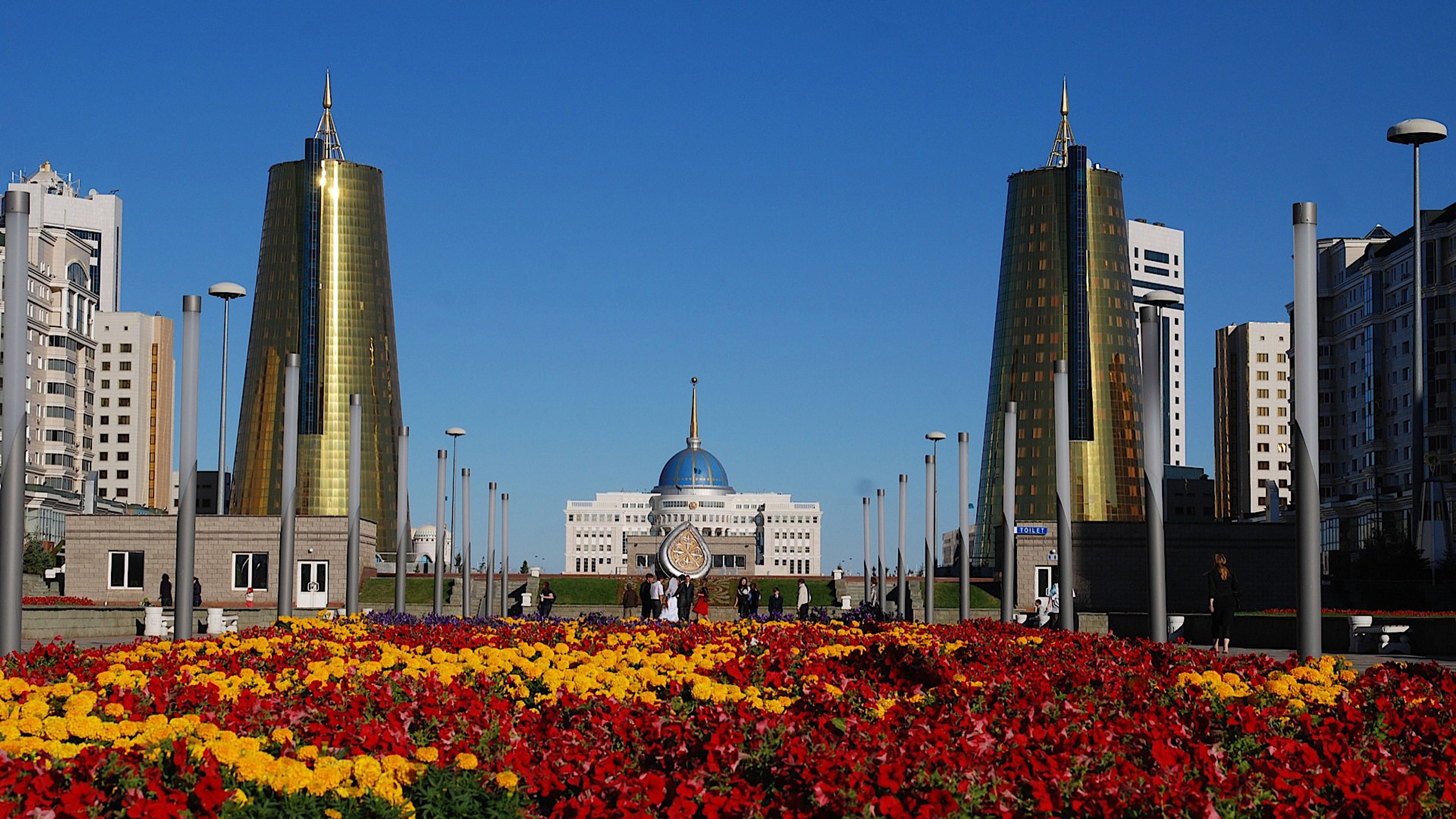
Discover Astana, Kazakhstan's futuristic capital where striking modern architecture meets nomadic soul. Marvel at the Bayterek Tower, the Opera, and grand mosques.
In the midst of the vast, wind-swept expanses of the Central Asian steppe rises a modern architectural marvel: Astana. The fascinating capital of Kazakhstan stands as an impressive symbol of a proud nation’s bold gaze into the future. Where only a few decades ago the barren steppe wind swept across flat terrain, a breathtaking skyline of shimmering glass, daring steel, and avant-garde shapes now unfolds. Astana is no ordinary place; it is a bold manifesto of the 21st century, a melting pot of nomadic traditions and forward-looking visions, and the vibrant heart of modern Eurasia.
Although Astana is celebrated today as one of the most modern cities in the world, the region’s historical roots reach deep into the history of Central Asian nomadic navigators. For millennia, the wide steppe surrounding the Ishim River served as a strategic crossroads for nomadic tribes who traversed the plains with their herds and maintained trade routes between East and West.
The birth of the modern settlement occurred in 1830, when Russian troops constructed a military fortress named Akmolinsk along the banks of the Ishim. In the local language, the name translated to "White Sanctuary" or "White Tomb." The fortress rapidly developed into a prominent trading post where the paths of nomads and merchant caravans crossed.
In the 20th century, the city underwent its first major wave of transformation under the Soviet Union. In the 1950s, as part of the Soviet "Virgin Lands Campaign" (Tselina), the city was designated as the capital for the agricultural development of the Kazakh steppe and renamed Tselinograd. Thousands of young people from all corners of the Soviet Union flocked to the city to transform the virgin steppe into vast wheat fields, imbuing the city with a distinct multicultural identity.
The pivotal and most spectacular turning point in the city's history, however, unfolded after Kazakhstan gained independence. In 1997, the country's first president, Nursultan Nazarbayev, made the bold decision to relocate the capital from the southern metropolis of Almaty to the geographic center of the nation. The city was renamed Astana—which simply means "capital" in Kazakh. In one of the most ambitious urban planning endeavors in modern history, world-renowned star architects such as Sir Norman Foster and Kisho Kurokawa redesigned the city from the ground up, transforming it into a futuristic metropolis.
Astana’s geographic setting is defined by the fascinating, unyielding contrasts of the Kazakh steppe. Located in the northern portion of Central Kazakhstan at an elevation of approximately 340 meters (1,115 feet) above sea level, the city is embedded in the gently rolling river plain of the Ishim (Esil).
The nature surrounding the capital possesses its own majestic aesthetic:
Strolling through Astana's Left Bank feels like visiting an open-air gallery of avant-garde architecture. The city fuses Western futurism with Eastern symbolism and Kazakh ornamentation into a unique urban landscape.
Among the architectural highlights defining the skyline are:
Behind the modern facade of glass and steel beats a deeply rooted cultural heart. Astana considers itself a guardian of the rich heritage of Kazakh nomadic culture, proudly combining it with contemporary art and science.
The largest museum in Central Asia is a heavy-weight in both architecture and exhibition scope. Across multiple floors, it presents the nation’s history from the Stone Age to the present day. An absolute highlight is the Hall of Gold, displaying the famous "Golden Man" (Altyn Adam)—a Scythian warrior clad in delicate armor crafted from thousands of gold plates, serving as a national symbol of Kazakhstan.
The grounds of the EXPO 2017 World’s Fair remain a futuristic attraction today. At its center stands the Nur Alem Sphere, the world's largest fully spherical building. Today, the striking glass sphere houses an interactive Museum of Future Energy, taking visitors on an engaging journey through the realm of renewable energy.
Astana has evolved far beyond a stopover for business travelers; it is a premier destination for culture lovers, architecture enthusiasts, and adventurers. Beyond its urban wonders, the surrounding region offers fascinating natural experiences.
Approximately 250 kilometers (155 miles) north of Astana, the flat steppe transforms abruptly into a fairy-tale land of dense pine forests, bizarre granite rock formations, and crystal-clear lakes. Burabay National Park is the most popular getaway for city residents, offering opportunities for hiking, sailing, enjoying crisp forest air, and listening to legends surrounding peculiar rock formations like "Okzhetpes."
Southwest of Astana lies the UNESCO World Heritage site of Korgalzhyn. This vast wetland in the middle of the steppe serves as a sanctuary for millions of migratory birds. A spectacular natural sight is the world's northernmost breeding colony of pink flamingos, nesting on the salty lakes. For bird lovers and nature photographers, an excursion to Korgalzhyn is an unforgettable highlight.
Astana's culinary scene reflects the country's cultural diversity and ongoing evolution. From authentic traditional yurt-style restaurants to international fine-dining establishments, the city offers something for every palate.
Traditional Kazakh cuisine is shaped by its nomadic heritage—hearty, wholesome, and rich in meat and dairy products:
Astana is a metropolis of contrasts that fascinates, surprises, and inspires. It is a place where the spirit of the ancient Silk Road and nomadic traditions converge with 22nd-century visions.
Where else can you hike through the endless silence of the steppe in the morning, marvel at the world's largest glass sphere and futuristic skyscrapers in the afternoon, and savor the warm hospitality of nomads in an elegant riverside restaurant in the evening? Astana is a living testament to a nation's courage to reinvent itself and an indispensable highlight of any journey to Kazakhstan.
The ideal time to visit Astana is from late May to September when pleasant temperatures invite outdoor exploration. Spring and early autumn provide crisp air and colorful sunsets across the steppe horizon. Winters are legendarily cold and snowy, attracting travelers seeking a true winter wonderland.
Astana features an extreme continental climate with pronounced seasonal shifts. Winters are famously freezing, dry, and accompanied by brisk steppe winds. Summers, in contrast, are bright, pleasantly warm, and ideal for riverfront strolls and architectural sightseeing.
Nursultan Nazarbayev International Airport connects Astana directly with major European and Asian hubs. Taxis and comfortable airport shuttle buses ensure a smooth transfer into the city center. High-speed rail networks also link Astana seamlessly to Almaty and other regional centers.