
Culture and Nature in Uzbekistan
The Treasures of the Silk Road: Discovering Uzbekistan's Culture and Nature
A whisper of the Orient, the gentle breeze of the desert wind, and the majestic contours of azure domes standing proudly against the deep blue sky—traveling through Uzbekistan feels like opening a living history book. As the true beating heart of the legendary Silk Road, this extraordinary land bridged continents, cultures, and trade routes for millennia. To journey across Uzbekistan is to walk in the footsteps of merchants, scholars, and legendary rulers like Tamerlane and Alexander the Great. Yet, the country's allure extends far beyond its monumental architectural heritage. Beyond the magnificent oasis cities lies a breathtaking natural landscape, stretching from vast semi-deserts and fertile valleys to the snow-capped foothills of the Tien Shan Mountains.
Day by Day Itinerary
- 1
Arrival in Tashkent and transfer to the 3-star hotel. Leisure time. Meals: -/-/-
- 2
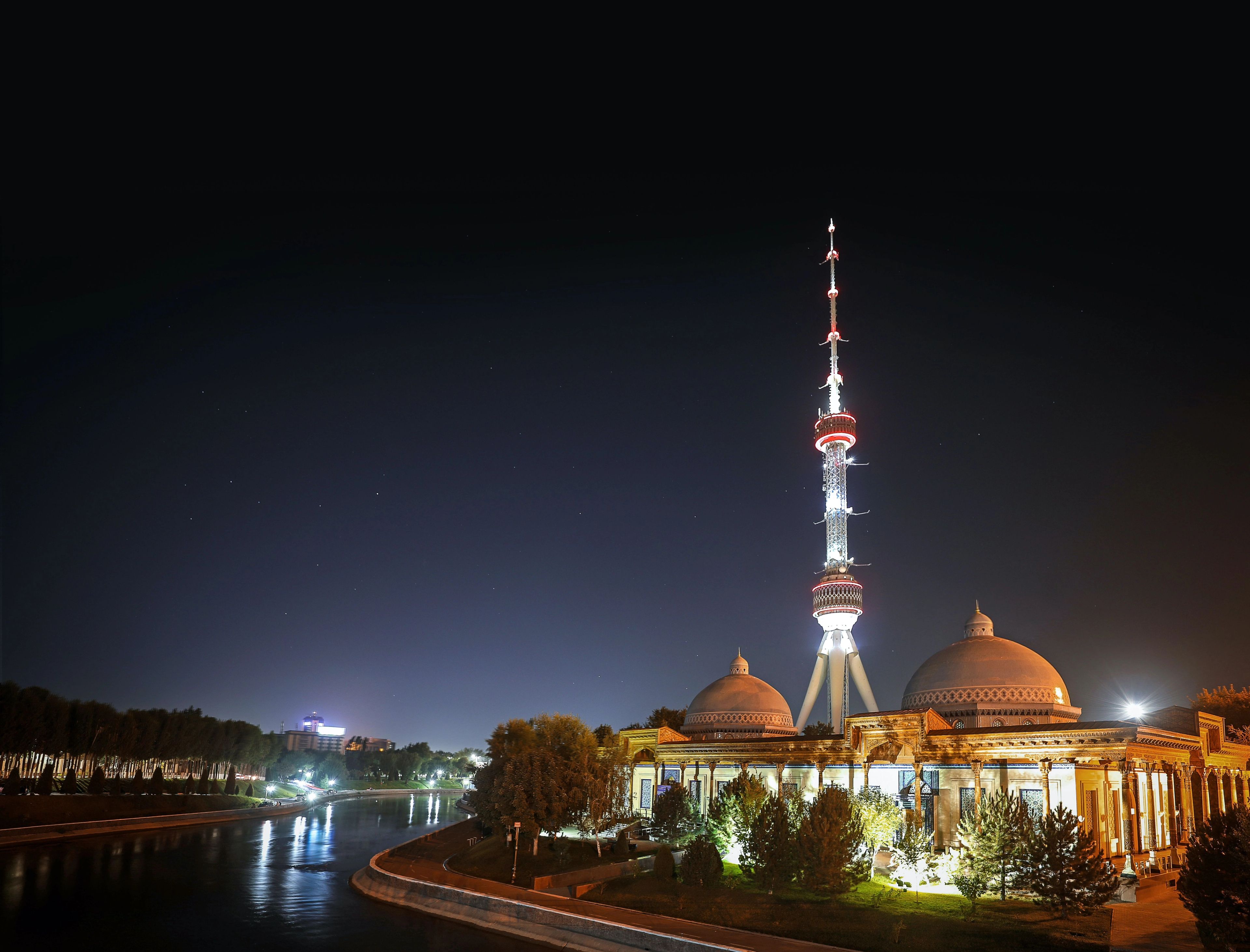
Following breakfast, a city tour of Tashkent. Tashkent, the capital of the Republic of Uzbekistan, is situated in the northeast of the country and, with a population exceeding two million, represents the largest metropolis in Central Asia. Alongside historical landmarks, the city features contemporary hotels, restaurants, theaters, cinemas, opera houses, discotheques, and oriental bazaars. The itinerary includes visits to the Barakhan Madrasah (an architectural ensemble dating from the 15th to 17th centuries), the Kaffal Shashi Mausoleum (16th century, remodeled in the 19th century), the Kukaldosh Madrasah (16th century), and the Khodja Ahrar Mosque (1404–1490). Afterwards, we visit the traditional Chorsu Bazaar and Independence Square. Dinner at a local restaurant, followed by a return to the hotel and time at leisure. Overnight stay at the 3-star hotel. Meals: F/-/A
- 3
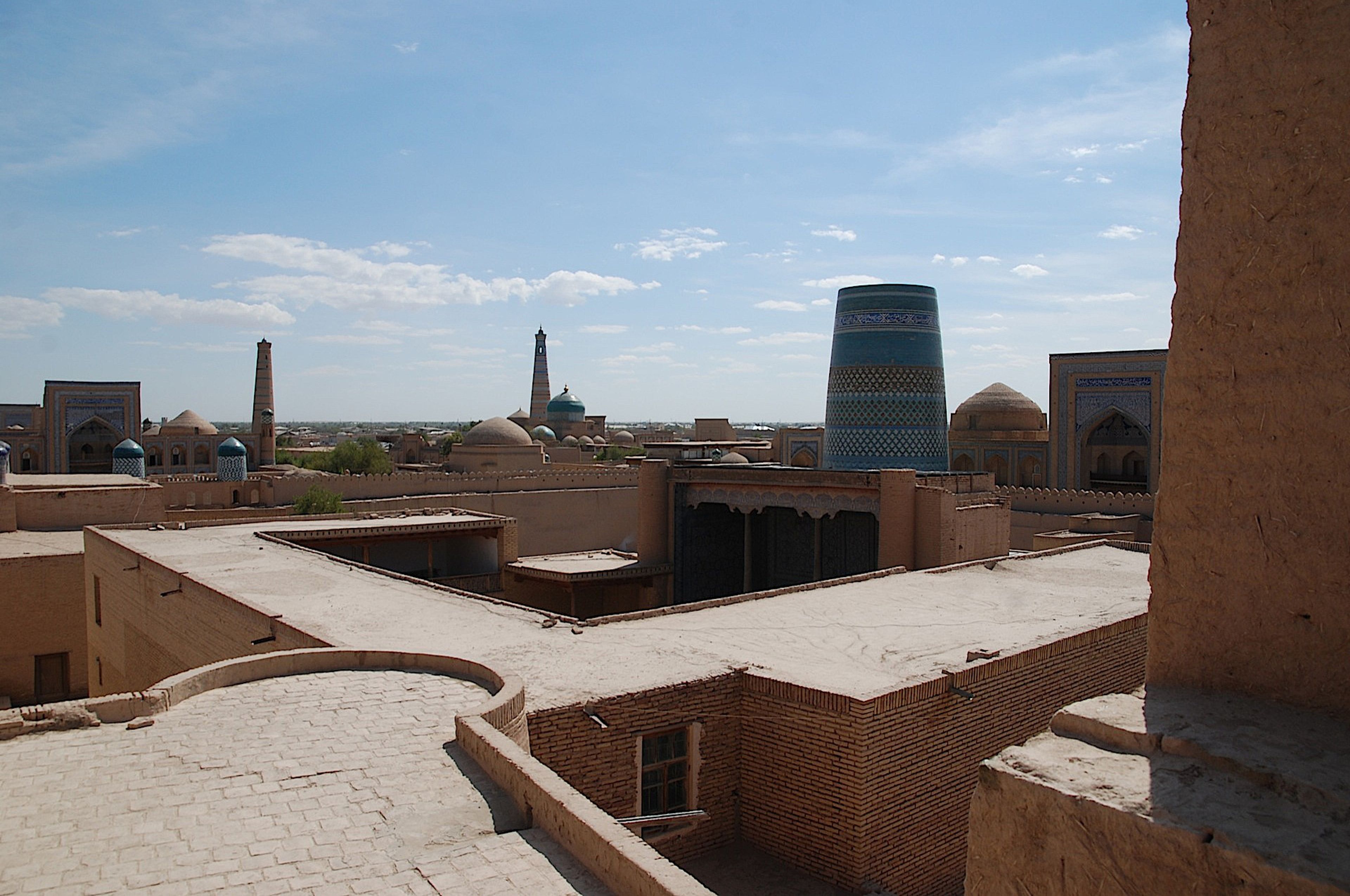
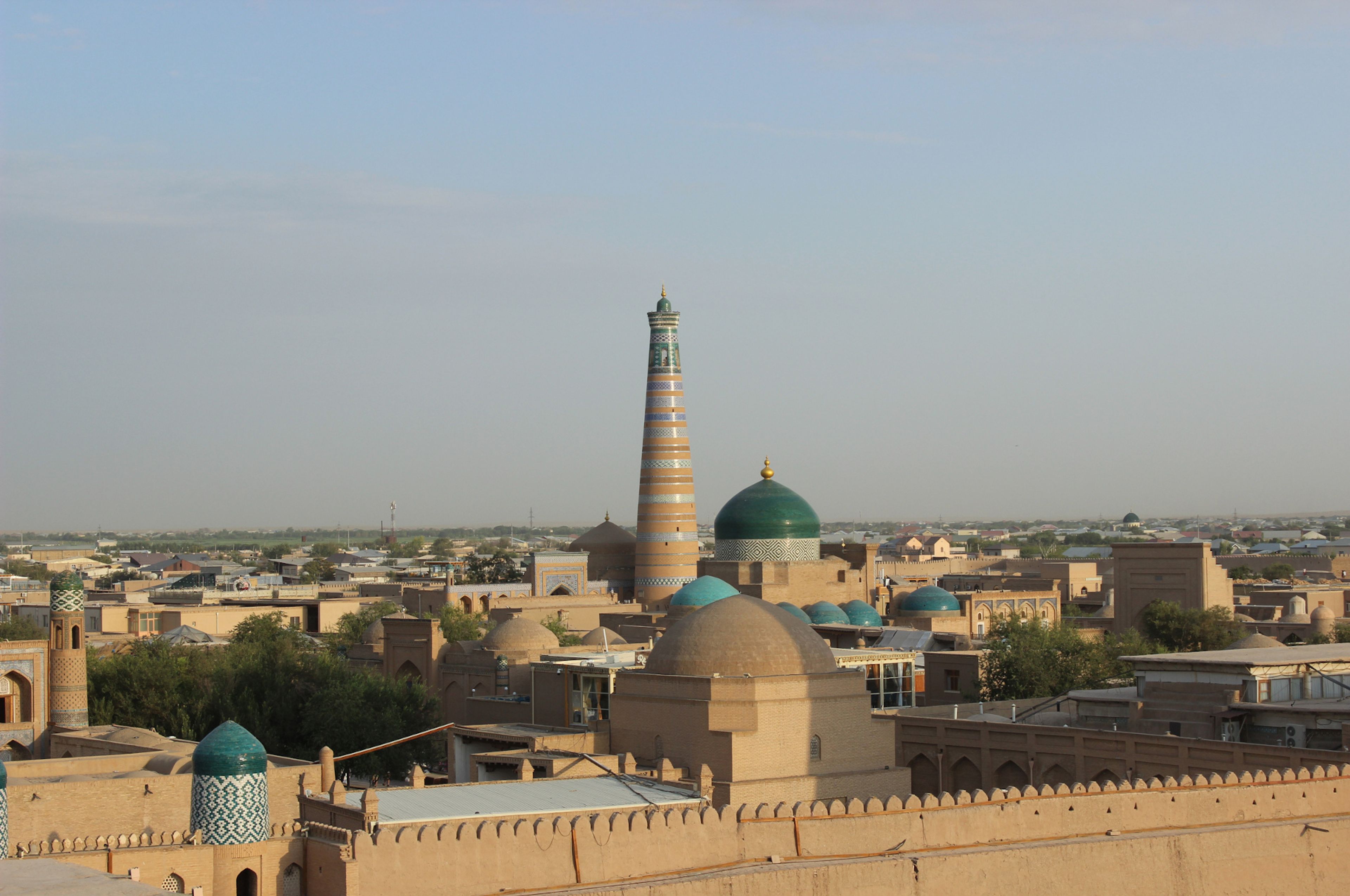
After breakfast, transfer to the airport for the flight from Tashkent to Urgench. Upon arrival, continuation to Khiva (35 km) and exploration of the fairytale city of Khiva, one of the oldest cities in Central Asia. Khiva, with approximately 60,000 residents, is located in northwestern Uzbekistan, west of the Amu Darya along the ancient Silk Road. Since 1967, Khiva has held the status of a museum city, and in 1997 Uzbekistan celebrated the city's 2500th anniversary. We explore the Ichan Kala old town, which has been under UNESCO protection and designated a World Heritage site since 1990. The completely walled historic center exudes a unique medieval atmosphere. Notable architectural monuments include the Muhammad Amin Khan Madrasah (1852–1855), the Kalta Minor Minaret (1852), the Kunya-Ark (former residence of the Khans of Khiva), the Pakhlavon Mahmud Complex (1247–1325), the Islam Khodja Minaret and Madrasah (1908), and the Juma Mosque (Friday Mosque, 1788). The day concludes with dinner accompanied by live folklore music. Overnight stay at the 3-star hotel. Meals: F/-/A
- 4
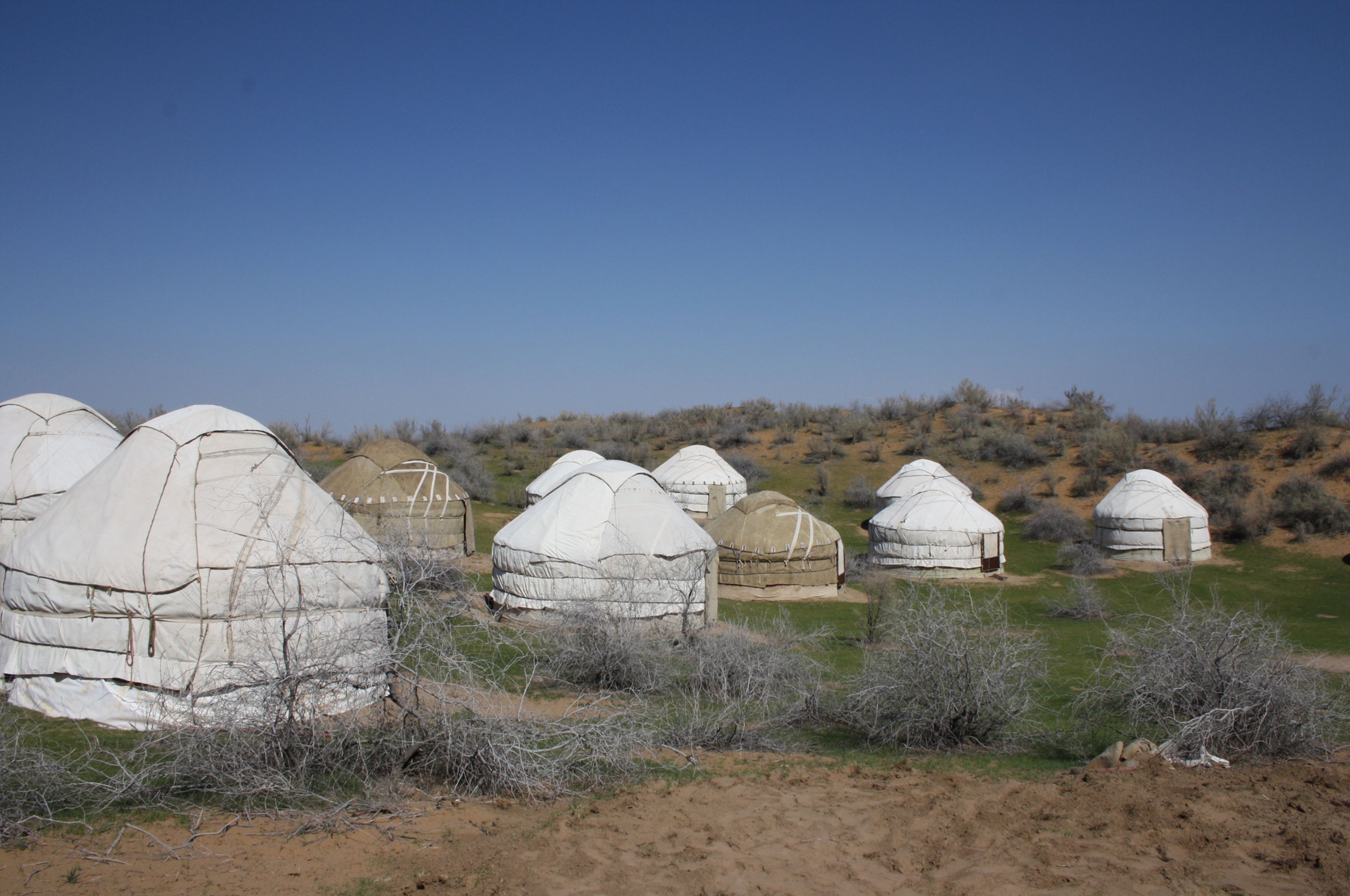
Following breakfast, we continue our exploration of the historic section of Khiva, Ichan Kala (Itschan Qal’a). Around midday, departure for the Ayaz Kala yurt camp (Ayaz Qal’a), where we undertake a hike to the striking ruins of Ayaz Kala and tour the site. The day ends with a traditional dinner at the yurt camp, prior to spending the night in the yurts. Meals: F/-/A
- 5
After breakfast, departure for Bukhara (480 km). Crossing the striking Kyzylkum Desert, travelers experience the boundless expanse of this Central Asian landscape. Spanning approximately 200,000 km², the desert extends across Turkmenistan, Uzbekistan, and Kazakhstan, and is renowned for its characteristic red sand. En route, we make a stop at the traditional tea house "Bukhoro-i-Sharif". In the evening, we enjoy dinner at a traditional restaurant. Overnight stay at the 3-star hotel. Meals: F/-/A
- 6
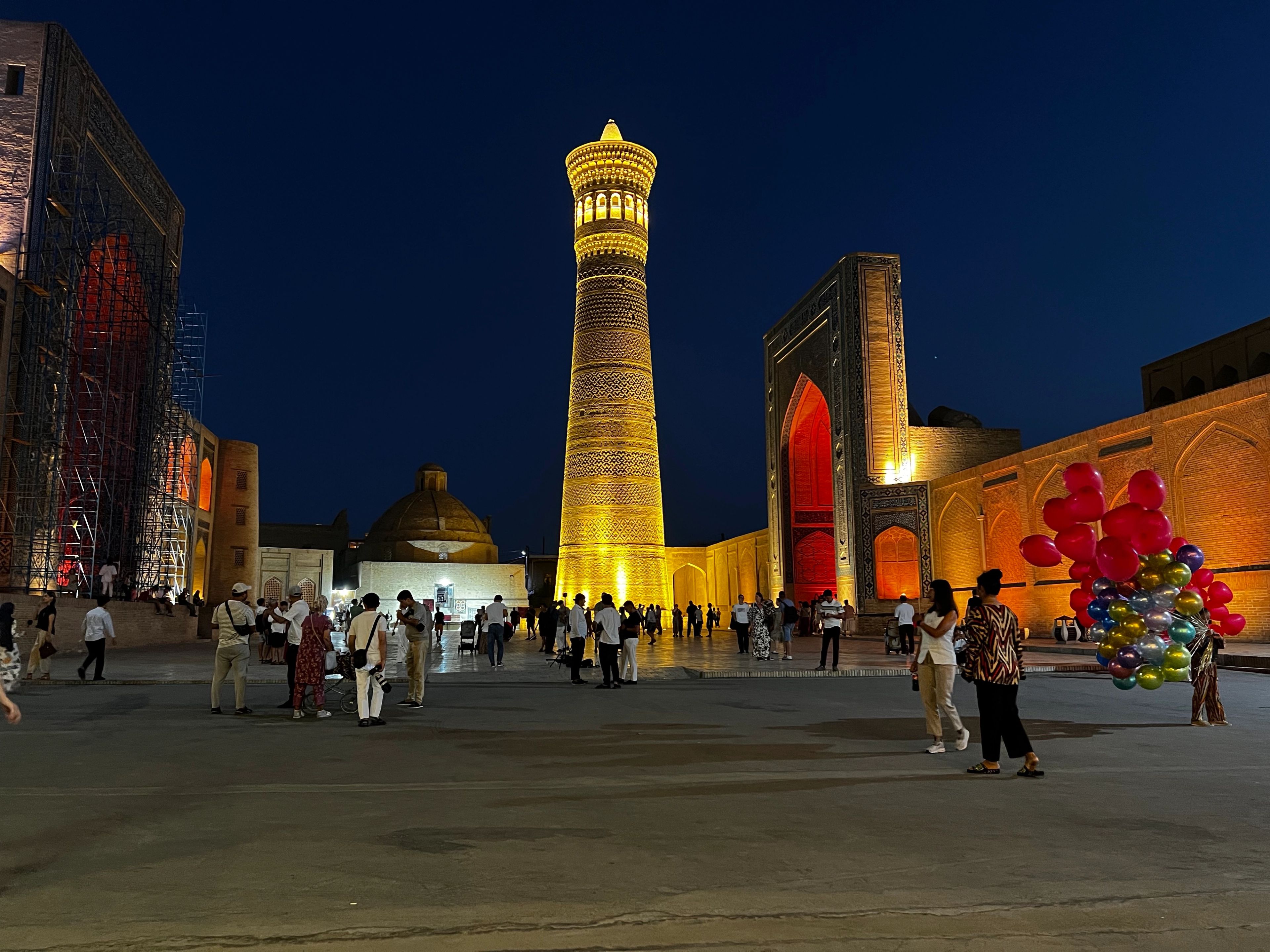
Following breakfast, we tour Bukhara, a city with a rich history that has produced numerous world-renowned scholars such as Avicenna (Ibn Sino) and Al-Bukhari. Since 1993, Bukhara and its impressive architectural monuments have been recognized as a UNESCO World Heritage site. We explore the legendary Poi Kalyan Minaret and the 12th-century Poi Kalyan complex, alongside the three striking domed bazaars: Toqi Sarrofon (Money Changers' Bazaar), Toqi Telpak Furushon (Cap Makers' Bazaar), and Toqi Zargaron (Jewelers' Bazaar), dating from the 16th century. Subsequently, we visit the Lyabi-Khauz complex (16th–17th centuries) and the Nodir Divan-begi Madrasah (1630). In the evening, we partake in a traditional dinner. Overnight stay at the 3-star hotel. Meals: F/-/A
- 7
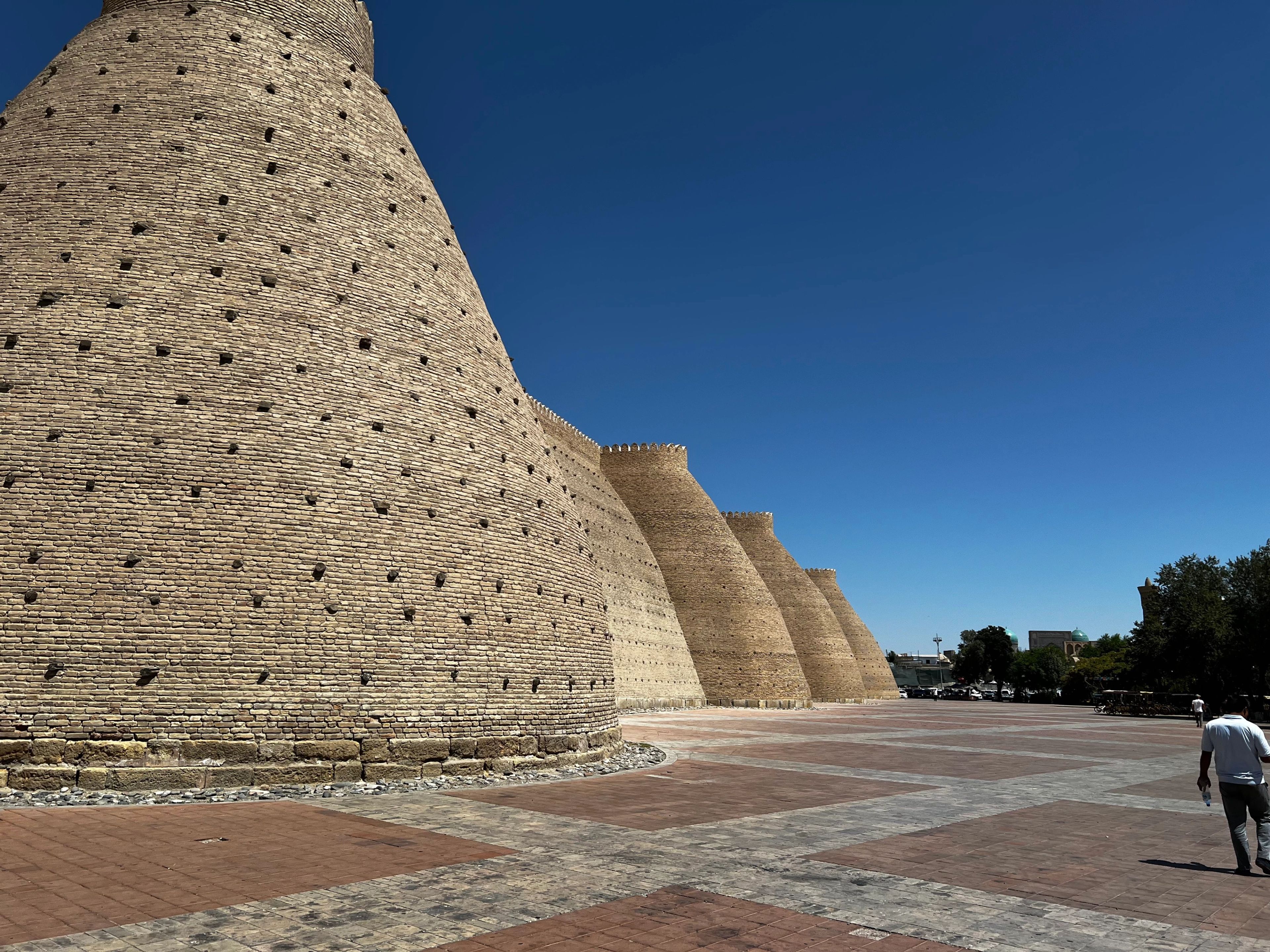
After breakfast, we tour the Ark of Bukhara, the former citadel and residence of the Emirs of Bukhara, whose origins trace back to the 4th century BC. Next, we explore the Bolo Hauz Mosque, a striking Friday mosque dating from 1712. Another highlight is the 9th-century Samanid Mausoleum, the oldest surviving example of Islamic architecture in Central Asia and the sole monument remaining from the Samanid dynasty. Afterwards, we visit the 14th-century Baha-ud-Din Naqshband Mausoleum, an important pilgrimage site for Muslims. The day concludes with a traditional dinner. Overnight stay at the 3-star hotel. Meals: F/-/A
- 8
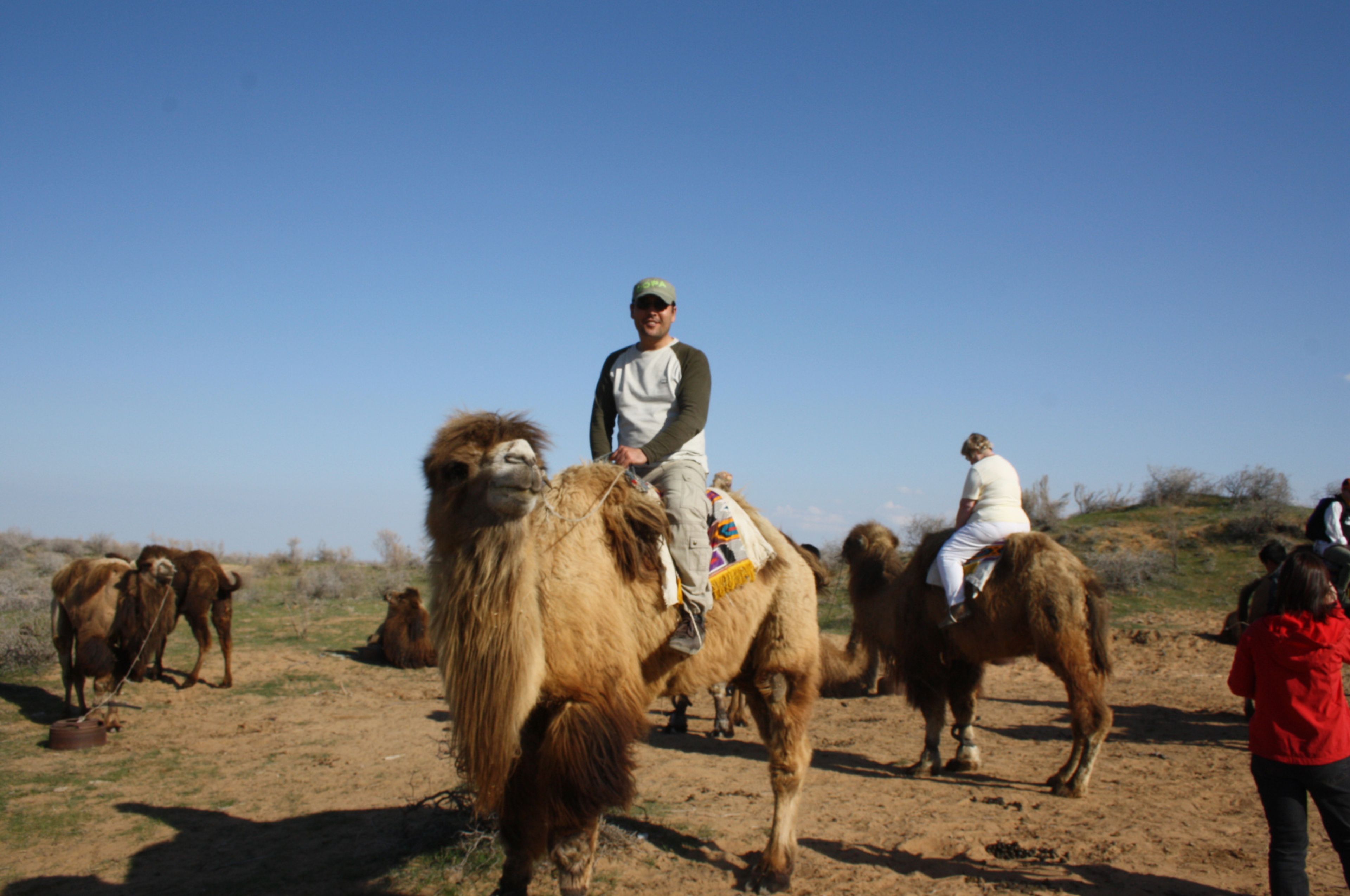
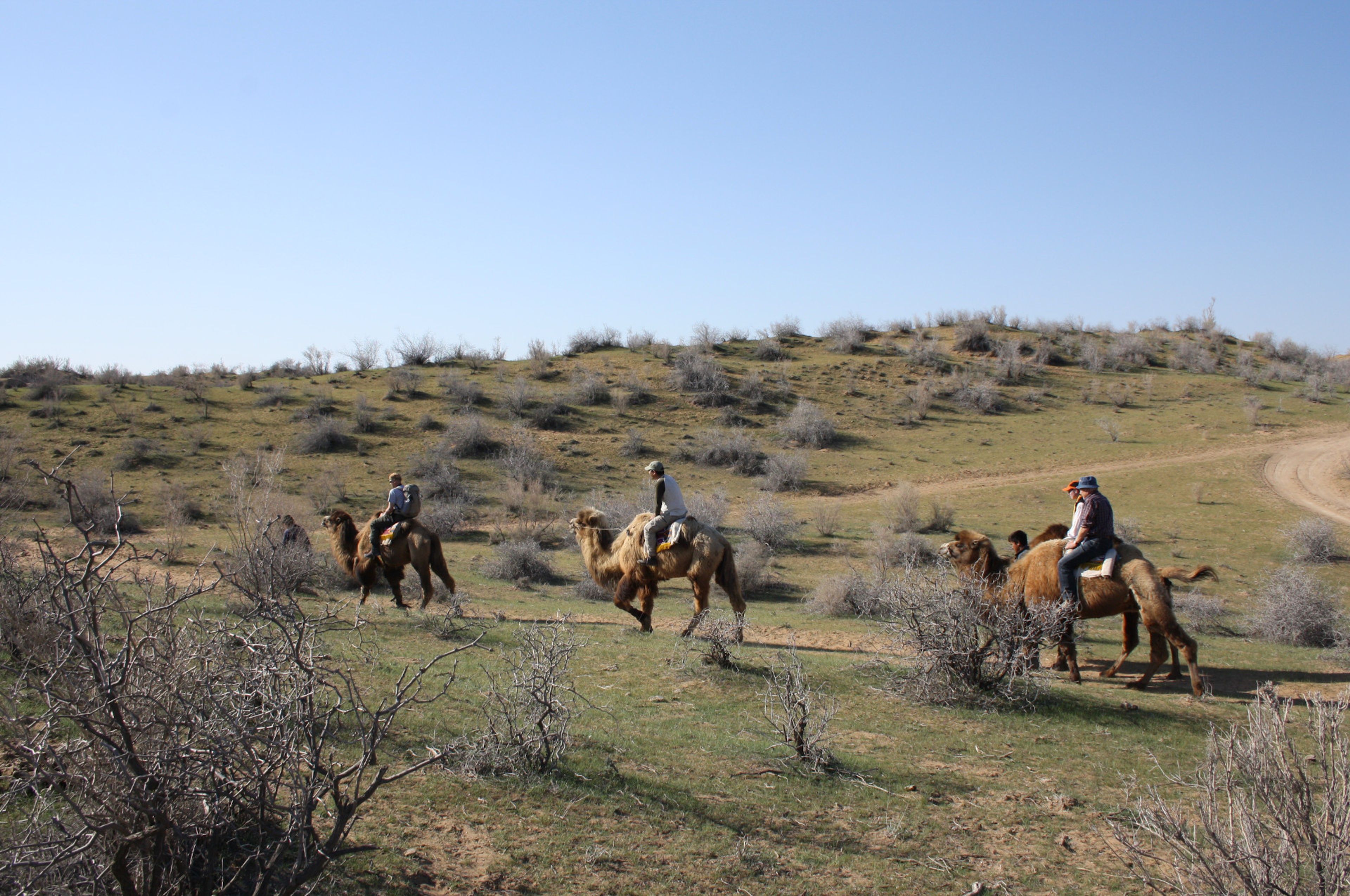
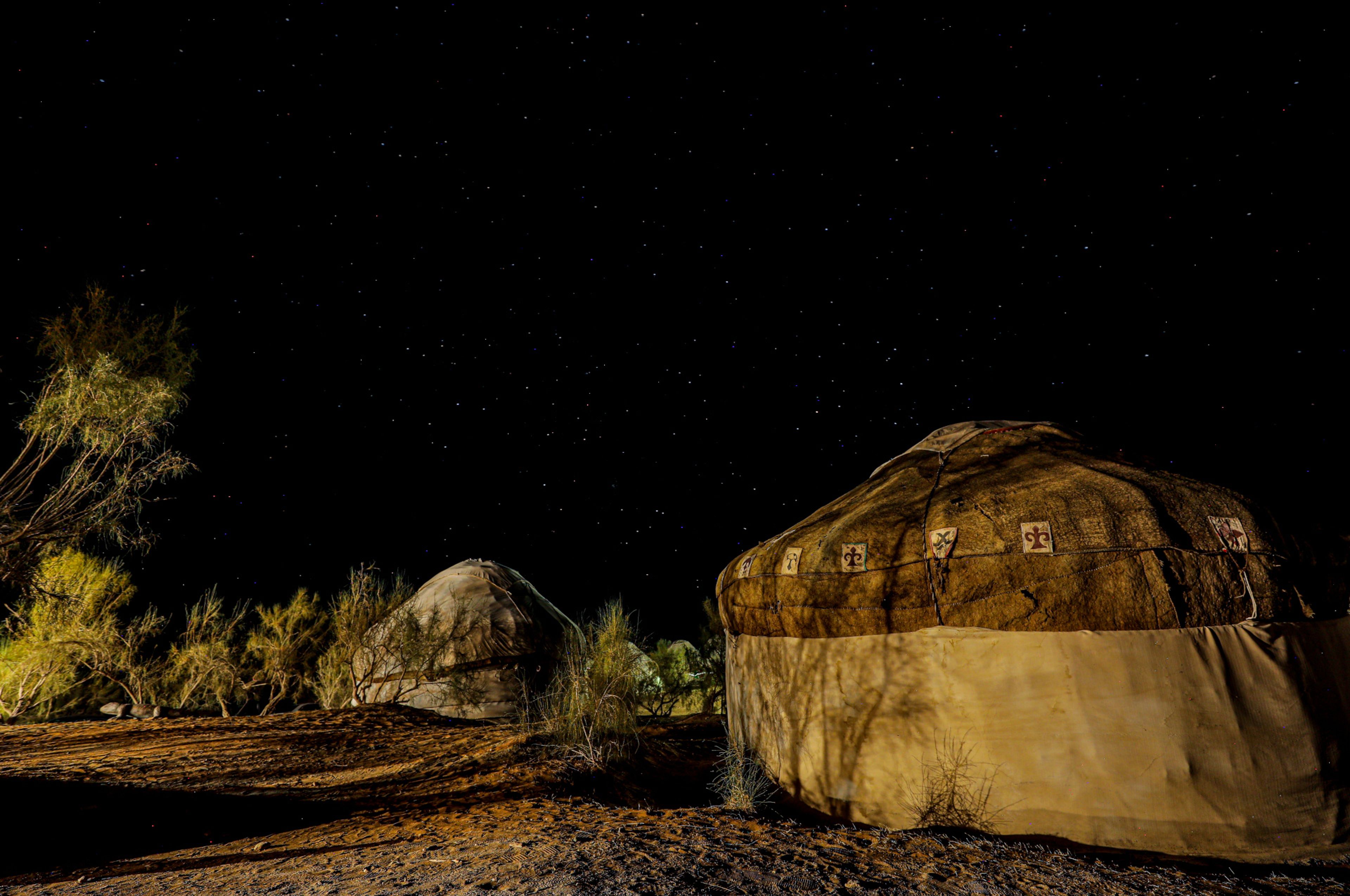
Following breakfast, we travel to Nurata toward the yurt camp in the Kyzylkum Desert, where guests can appreciate the unique desert landscape punctuated by saxaul trees. In the afternoon, a camel ride awaits to explore the surroundings in traditional fashion. The evening concludes around the campfire with live music by a Kazakh folk musician. Overnight stay in yurts. Meals: F/M/A
- 9
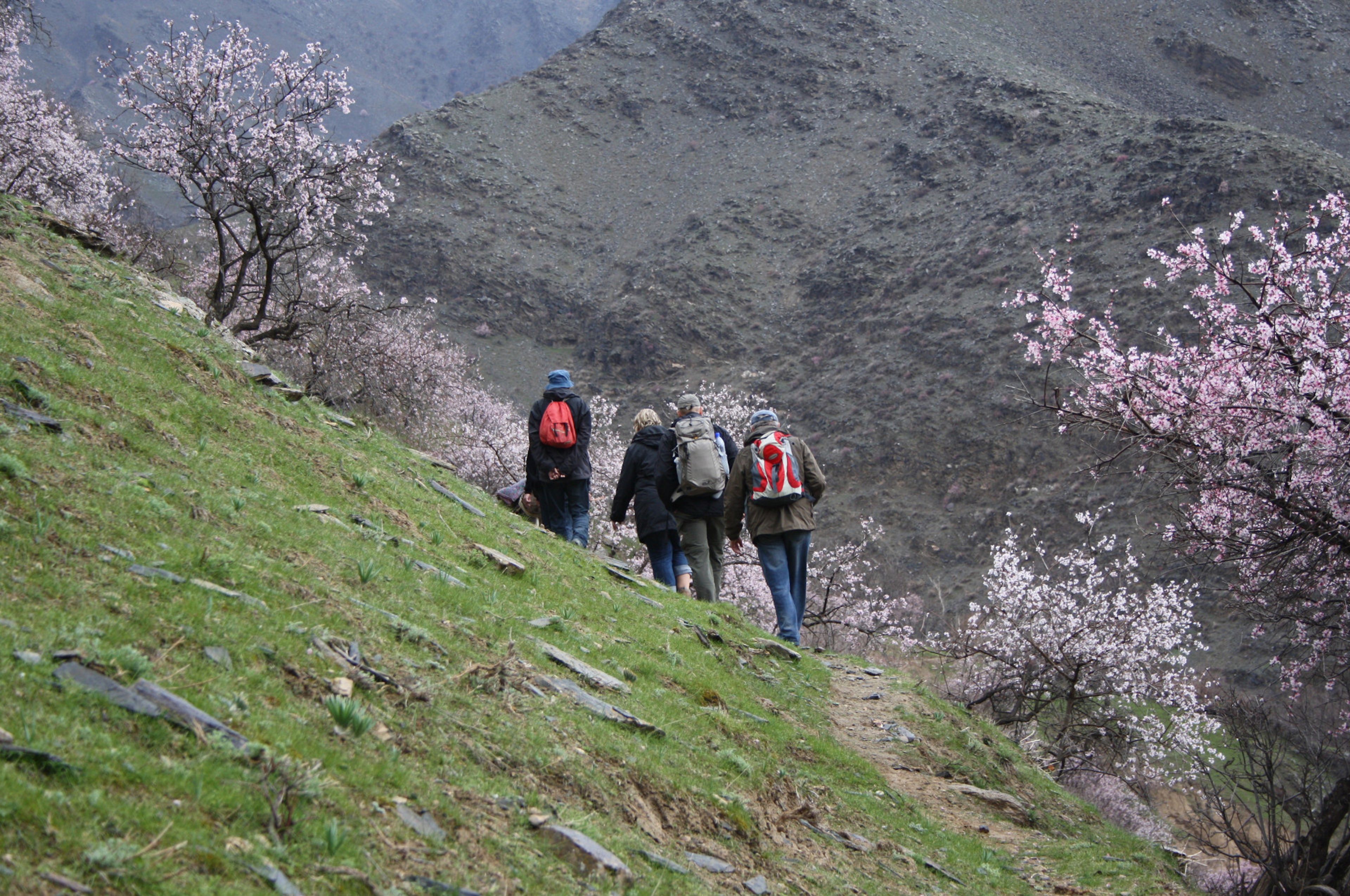
After breakfast, we drive to Lake Aydarkul, situated within the Kyzylkum Desert. There, visitors learn about the formation history of the lake and have leisure time. We then continue to the mountain village of Sentob (Sentyab), where we meet our host family. In the afternoon, we undertake a hike through the mountains of Sentyab (approx. 10 km). The day concludes with a shared dinner with the family. Overnight stay in the mountain village. Meals: F/M/A
- 10
Following breakfast, we undertake a hike in the Nuratau Mountains. A picnic lunch is served in the mountains. The hike comprises 3 hours in the morning and another 3 hours in the afternoon, covering approximately 15 km in total. Shared dinner with the host family. Overnight stay in the mountain village. Meals: F/M/A
- 11
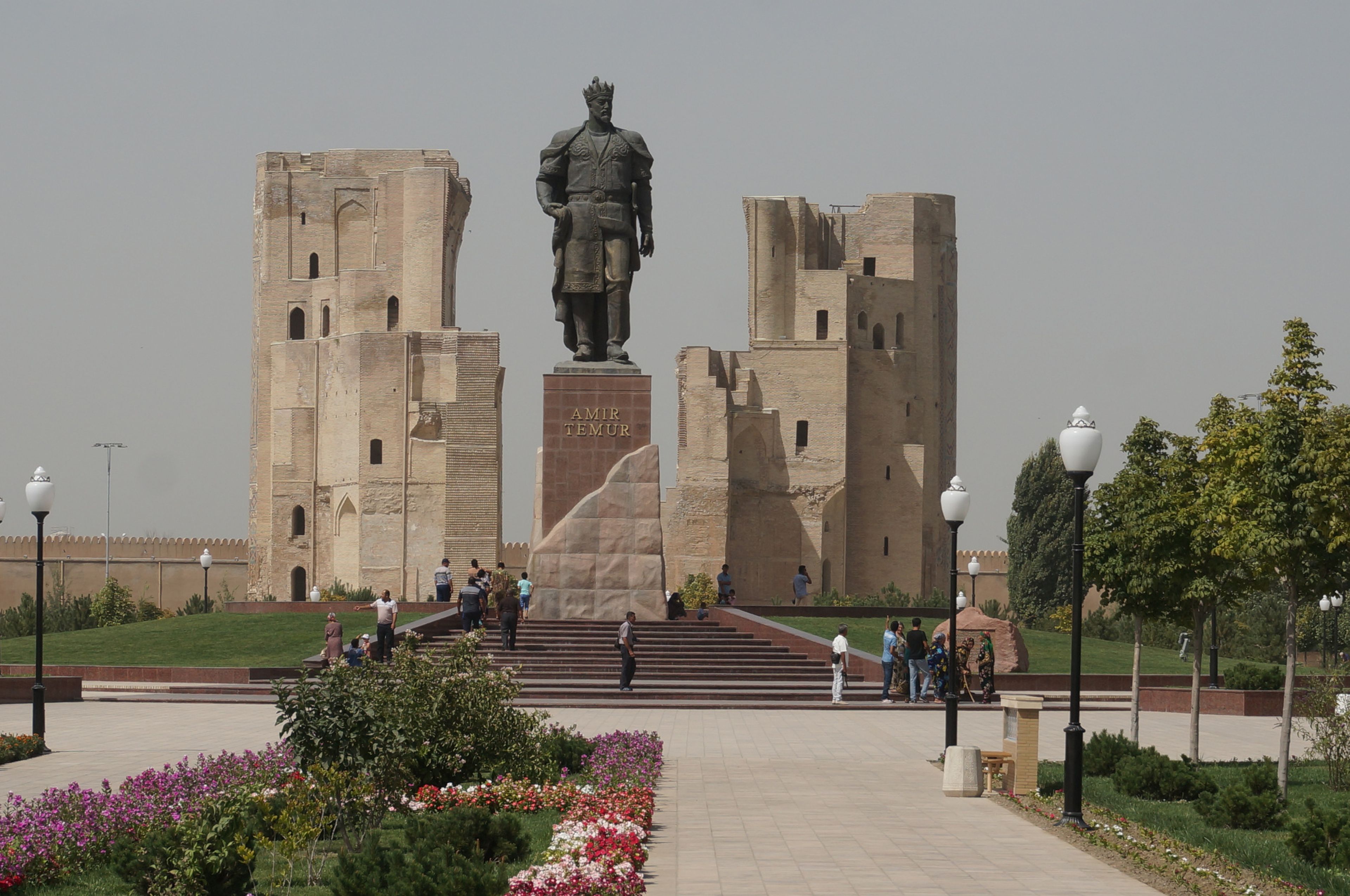
After breakfast, we drive to Shahrisabz, the birthplace of Amir Timur (known in the West as Tamerlane). The city was known to Alexander the Great as Nautaca. Under Amir Timur in the 14th century, when it was still called Kesh, the city attained worldwide renown and received the name Shahrisabz. Here we tour the ruler's summer palace, Ak-Saray (White Palace, 1380–1405). The 65-meter-high palace ruins convey an impression of the scale and height of the original structure. Ak-Saray has been inscribed on the UNESCO World Heritage list. Further visits include the Kok Gumbaz Mosque, the Dorus Saodat complex, and the Jakhongir Mausoleum. In the afternoon, we return to Samarkand, subsequently enjoying dinner at a local restaurant. Overnight stay at the 3-star hotel. Meals: F/-/A
- 12
Following breakfast, we travel to the mountain village of Tersak in the Zarafshan Mountain Range, where our hike begins. The village houses, surrounded by fields, extend along the riverbanks. We hike through broad and narrow valleys, past flocks of sheep, horses, and goats, up to the Takhtakaracha Pass at an altitude of 1,900 m, from where we enjoy panoramic views of the snow-capped Pamir-Alai mountain range. We then proceed into the "Devil's Valley", where our trek continues. In the 1970s, scenes for the Indianerfilm "Apache" were filmed in this location (the scene in the film "Apache" (1973) featuring the large rock of the Takhtakaracha Pass). The valley derives its name from unusual rock formations which, according to legend, served as the setting for sorcerer and witch ceremonies. Local residents believe that the soil here possesses a special energy that improves the milk of cows traversing the area. In the evening, we return to Samarkand and enjoy dinner at a local restaurant. Overnight stay at the 3-star hotel. Meals: F/-/A
- 13
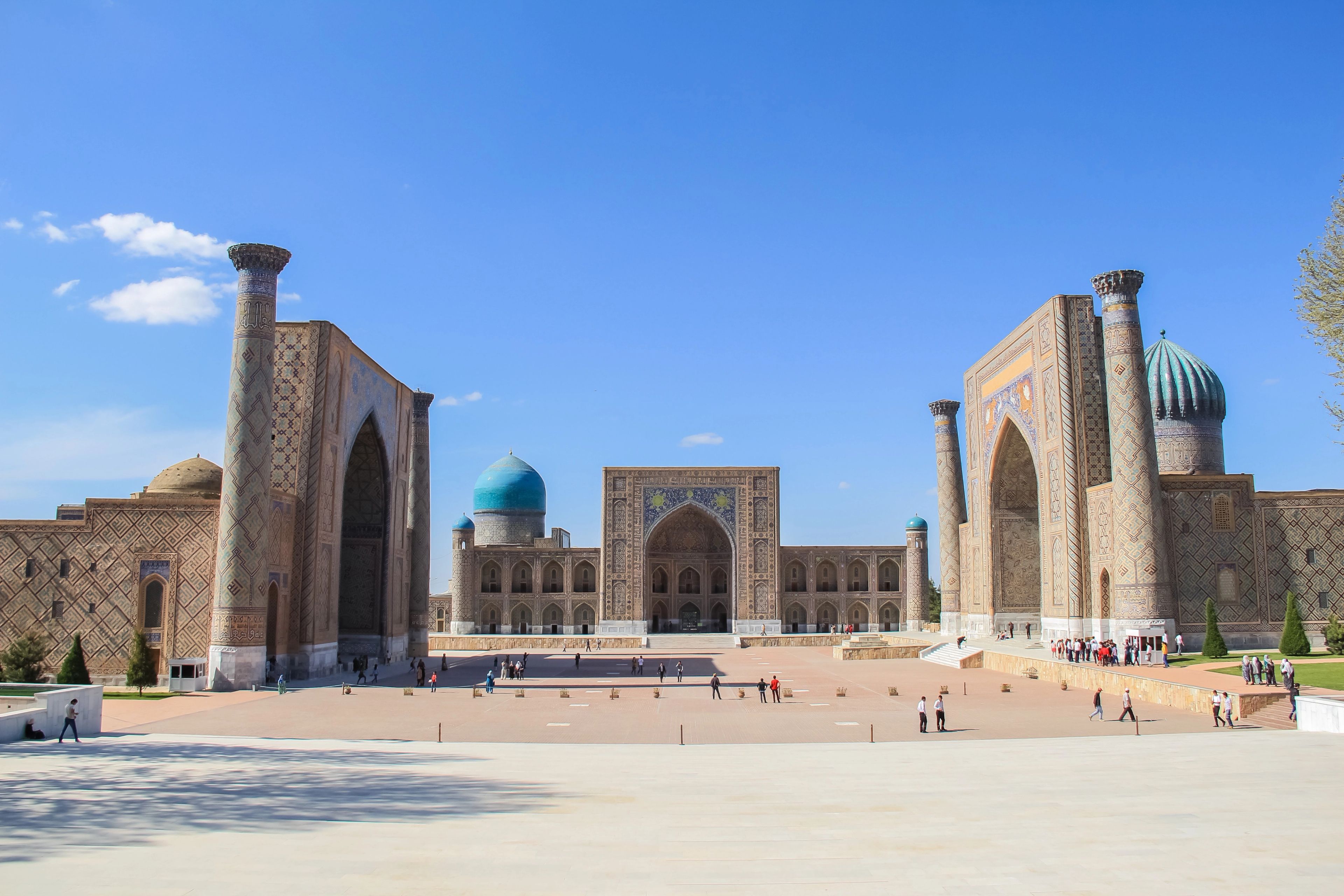
Following breakfast, we proceed to Samarkand, designated a UNESCO World Heritage site. The city's history extends back more than 2,500 years. Particularly fascinating are the ramparts of legendary Afrasiab, the capital of the ancient Sogdian empire, which remain visible in the northern part of Samarkand. Samarkand is frequently described as the jewel of the earth. Your fairytale "1001 Nights" journey commences at the renowned Registan Square, the construction of which began during the Timurid era and was completed in subsequent centuries. The three madrasahs of the Registan—the Ulugh Beg Madrasah, the Sher-Dor Madrasah, and the Tilya-Kori Madrasah—captivate every visitor. Furthermore, the legendary Timurid mausoleum Gur-e-Amir enchants with its interior gold ornamentation. Dinner at a local restaurant and overnight stay at the 3-star hotel. Meals: F/-/A
- 14
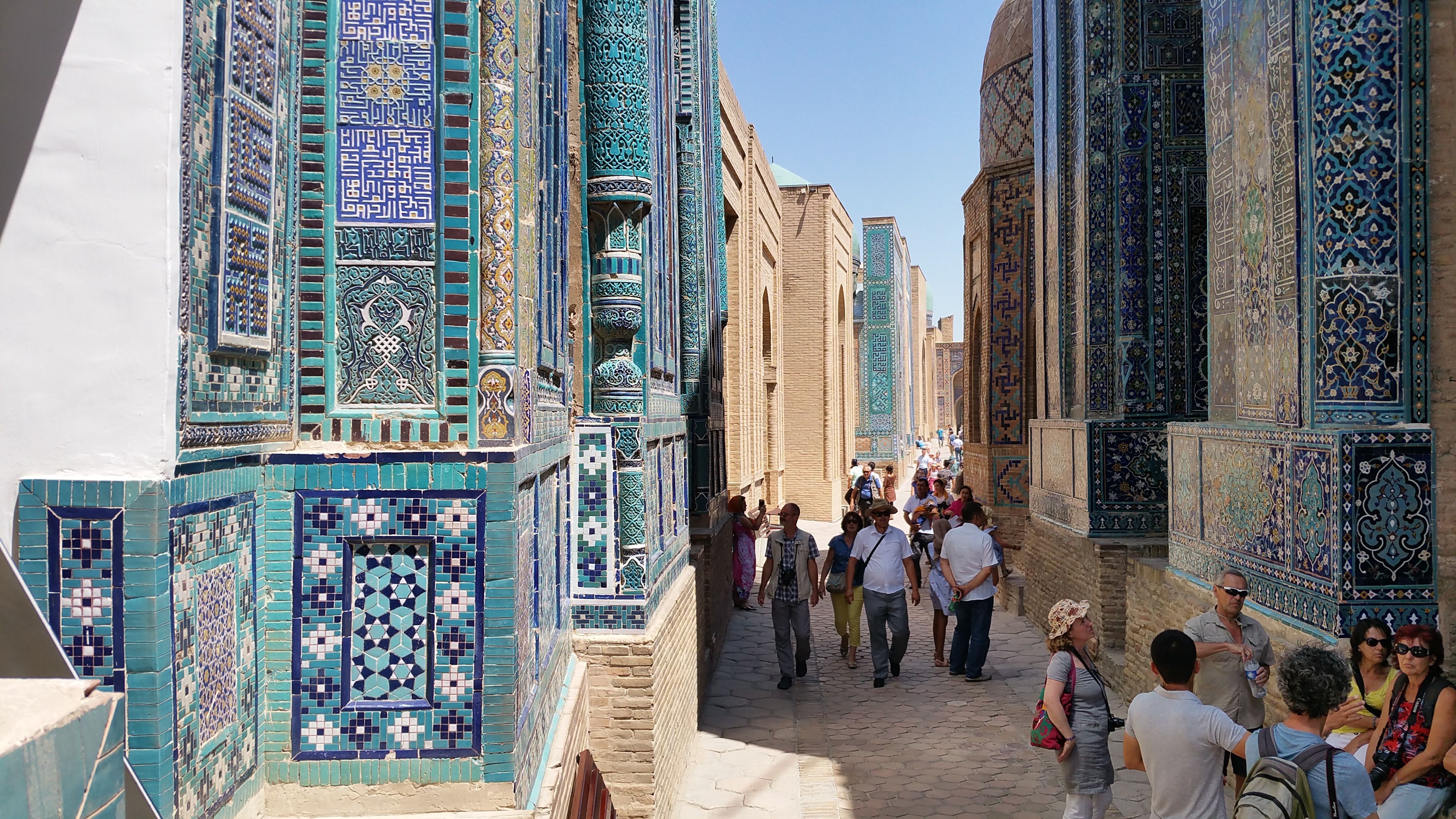
After breakfast, we visit the 14th-century Bibi-Khanym Mosque and Madrasah, learning the legends associated with these structures. Afterwards, we visit the traditional oriental Siyab Bazaar. Near the Siyab Bazaar lies the Shah-i-Zinda ensemble, one of the most renowned mausoleum groups globally, featuring striking architecture. Next, we tour the famous Ulugh Beg Observatory, constructed in 1428–1429 on a hill within the Chupanata ridge, representing a unique architectural structure for its time. In the afternoon, transfer to the Samarkand railway station for the journey aboard the "Afrosiyob" high-speed train to Tashkent (departure at 17:00, arrival at 19:20). Dinner at a local restaurant and overnight stay at the 3-star hotel. Meals: F/-/A
- 15
Depending on flight times, transfer to the international airport and departure. Meals: F/-/-
✓ Inclusions
- ✓ 10 nights in 3-star hotels in double rooms with shower/WC
- ✓ 2 nights in guesthouses (simple but clean, partially more than 2 persons per room, mattresses on the floor, bed linen provided, external shower/WC)
- ✓ 2 nights in yurts (mattresses on the floor, bed linen provided, external shower/WC)
- ✓ 13x breakfast, 3x lunch, 13x dinner
- ✓ Mineral water (1.5 l per person per day)
- ✓ All transfers per itinerary (primarily in air-conditioned vehicles)
- ✓ Domestic flight: Tashkent → Urgench
- ✓ High-speed train ticket: Samarkand → Tashkent
- ✓ All admission fees for sights per itinerary
- ✓ German-speaking tour guide throughout the duration of the trip
- ✓ Dinner with live folklore music in Khiva
- ✓ Dinner featuring live folklore music and a fashion show in the courtyard of the Nodir Divan-begi Madrasah in Bukhara
- ✓ Dinner at the yurt camp in Nurata with live music by a Kazakh folk musician
- ✗ Personal expenses & special services at hotels
- ✗ International flights
- ✗ Travel insurance of any kind
- ✗ Meals and beverages not mentioned in the itinerary
Interactive Map
? FAQ
Do I need a visa for Uzbekistan?▼
What payment methods are recommended locally and can I pay by card?▼
What is Uzbek cuisine like and can I drink tap water?▼
What is the internet and mobile network coverage like while traveling?▼
What clothing is appropriate for travel and visiting religious sites?▼
Is Uzbekistan a safe travel destination?▼
What type of electrical sockets are used in Uzbekistan?▼
What tips are customary in Uzbekistan?▼
What languages are spoken locally?▼
What health precautions and vaccinations are necessary?▼
🧳 Travel Essentials
Everything for your perfect Central Asia trip
* Affiliate links – we earn a small commission at no extra cost to you.