
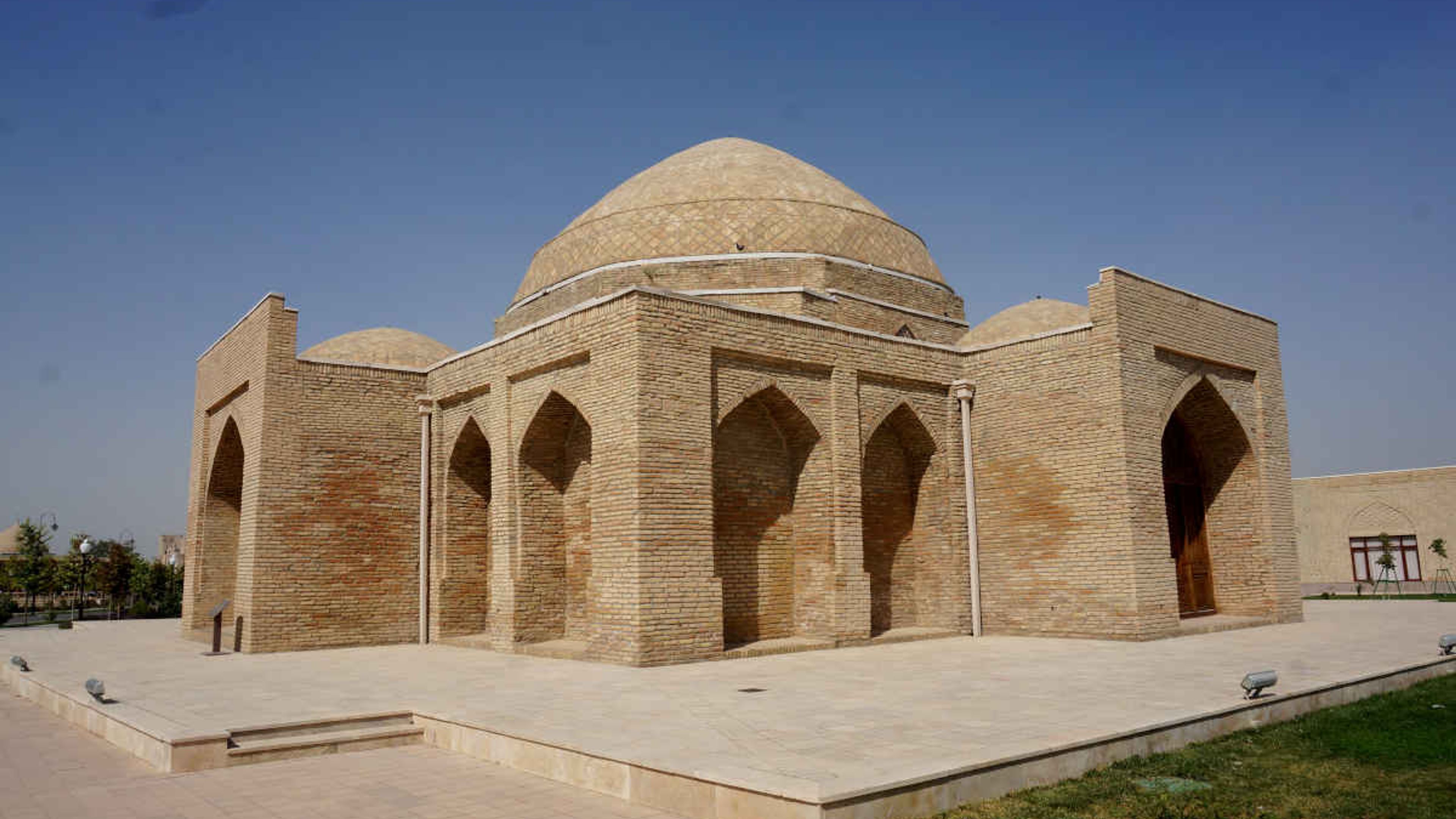
Shakhrisabz - Chorsu bazaar
Shahrisabz's Chorsu Bazaar is an authentic 16th-century domed trading arcade where Silk Road heritage thrives through Uzbek textiles, handicrafts, and aromatic spices.
About this place
The covered Chorsu Bazaar in Shakhrisabz - a masterpiece of Central Asian commercial architecture
Shahrisabz, one of the oldest cities in Uzbekistan, was an important centre of trade and crafts for centuries. Over the course of history, numerous bazaars, caravanserais and market halls were built here, reflecting the region's flourishing trade. However, only one of these historic buildings has stood the test of time and has been preserved to this day: the covered bazaar Chorsu, built in 1602.
The meaning of the term "Chorsu" and its strategic location
The name ‘Chorsu’, which literally means ‘four streams’, was a traditional name in Central Asia for bazaars located at the crossroads of important trade routes. The strategic location of the Chorsu bazaar in Shahrisabz was no coincidence: it was built in the heart of the city, right at the crossroads of the region's most important trade routes.
This convenient location made the Chorsu Bazaar a central hub for traders and travellers for centuries. Valuable goods from all over Central Asia were traded here - from fine silks and ornately embroidered textiles to exquisite ceramics and carpets.
A bathhouse (hammam) was also built right next to the bazaar and is still in use today. This underlines the great infrastructural importance of this area, as the combination of market hall and bathhouse was typical of the economic and social centres of the Orient.
Architectural features - uniqueness compared to other bazaars in Central Asia
Although the basic structure of the Chorsu Bazaar is similar to the medieval trading domes of Bukhara and Samarkand, it differs from other Central Asian bazaars in several architectural details.
Central structure and construction
The centrepiece of the bazaar is a large, roofed main hall with a diameter of 21 metres. The building was constructed with an ingenious four-sided access system:
The dome-shaped main roof, which rests on vaulted sails, is particularly impressive. This architectural technique gives the interior an impressive height and at the same time ensures natural air circulation and even light distribution.
In addition, the smaller side rooms have their own domes, giving the overall appearance of the building a harmonious symmetry.
Masterful brick architecture instead of ornate majolica
While many prestigious buildings in Central Asia are known for their ornate majolica and mosaic decorations, the architects of the Chorsu Bazaar opted for a different aesthetic:
This deliberate restraint in the decoration underlines the functional elegance of the building, which primarily served as a trading centre and not as a magnificent representative building.
Commercial life in the Chorsu Bazaar - a centre of economic exchange
For centuries, the Chorsu Bazaar was the beating economic heart of Shahrisabz. The individual shops within the bazaar specialised in certain groups of goods:
The bazaar was not only a place of trade, but also a centre of social interaction. People from different regions met here, exchanged news and conducted business negotiations.
The Chorsu Bazaar as a symbol of the Timurid and Sheibanid period
The Chorsu Bazaar is one of the few surviving examples of commercial architecture from the late Timurid and early Sheibanid periods. It represents the economic heyday of Shahrisabz and illustrates the importance of the city as a trading centre on the Silk Road.
Restoration measures and current significance
Although the Chorsu Bazaar is more than 400 years old, it has survived the centuries remarkably well. Various restoration measures have been carried out in recent years in order to maintain the structure and preserve the history of this unique building.
Today, the Chorsu Bazaar is not only an important architectural monument, but also a popular meeting place for locals and visitors, who can experience the atmosphere of a traditional oriental market here.
The covered Chorsu Bazaar in Shahrisabz is much more than just a historical trading centre - it is a living monument to the city's rich history.
Its unique architecture, masterful brick construction and former function as an economic centre make it an indispensable part of Central Asia's cultural heritage.
For travellers who want to experience the authentic atmosphere of a medieval oriental bazaar, the Chorsu Bazaar is an unmissable destination and a window into the past of a city that was once a major crossroads on the legendary Silk Road.
💡 Visitor tips
Visit during the morning hours for a vibrant atmosphere and the freshest local goods. Carry cash in Uzbek Som, as market stallholders generally do not accept credit cards. Allocate around 45 to 60 minutes to browse handmade suzani textiles and souvenirs. Gentle bargaining is welcomed with a smile.
🧳 Travel Essentials
Everything for your perfect Central Asia trip
* Affiliate links – we earn a small commission at no extra cost to you.