
Aral Sea Tour – Moynaq Ship Graveyard and Central Asia’s Lost Sea
Aral Sea Tour – Moynaq Ship Graveyard and the Lost Sea of Central Asia: An Expedition Between Environmental History and Silk Road Culture
There are journeys you take for picturesque postcard views, and there are journeys that permanently change the way you see the world. Our Aral Sea Tour – Moynaq Ship Graveyard and the Lost Sea of Central Asia combines both in a remarkable way: it takes you not only to the architectural highlights of the legendary Silk Road, but also deep into the far west of Uzbekistan, to a place that illustrates the complex interplay between humanity, nature, and history like few others on Earth. Where one of the four largest inland bodies of water once shimmered, the young Aralkum salt desert now stretches across the horizon—a vast, contemplative landscape filled with untouched silence and unexpected archaeological treasures.
Day by Day Itinerary
- 1
Arrival in Tashkent and transfer to the 4-star hotel. Time at leisure. Meals: -/-/-
- 2
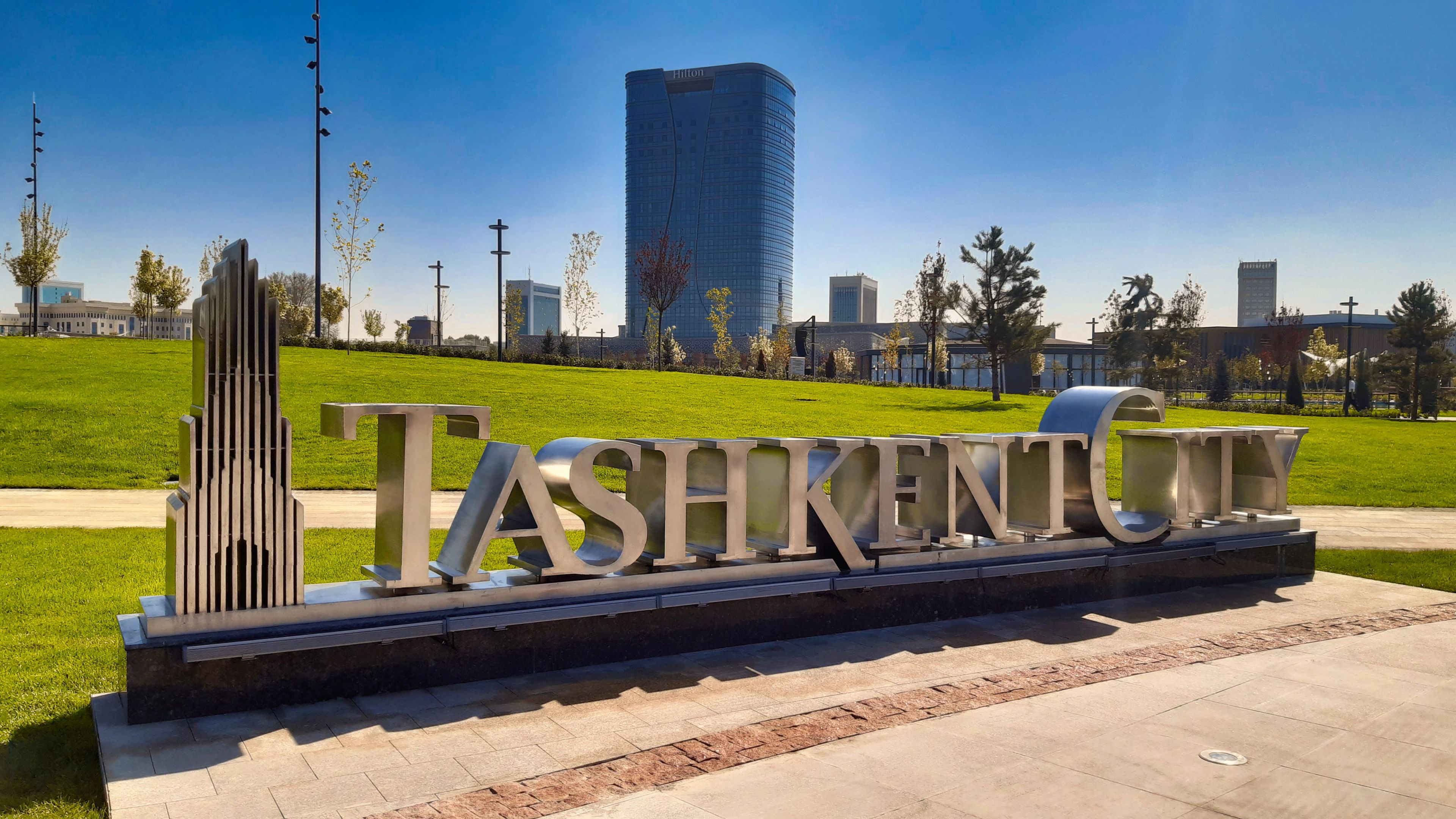
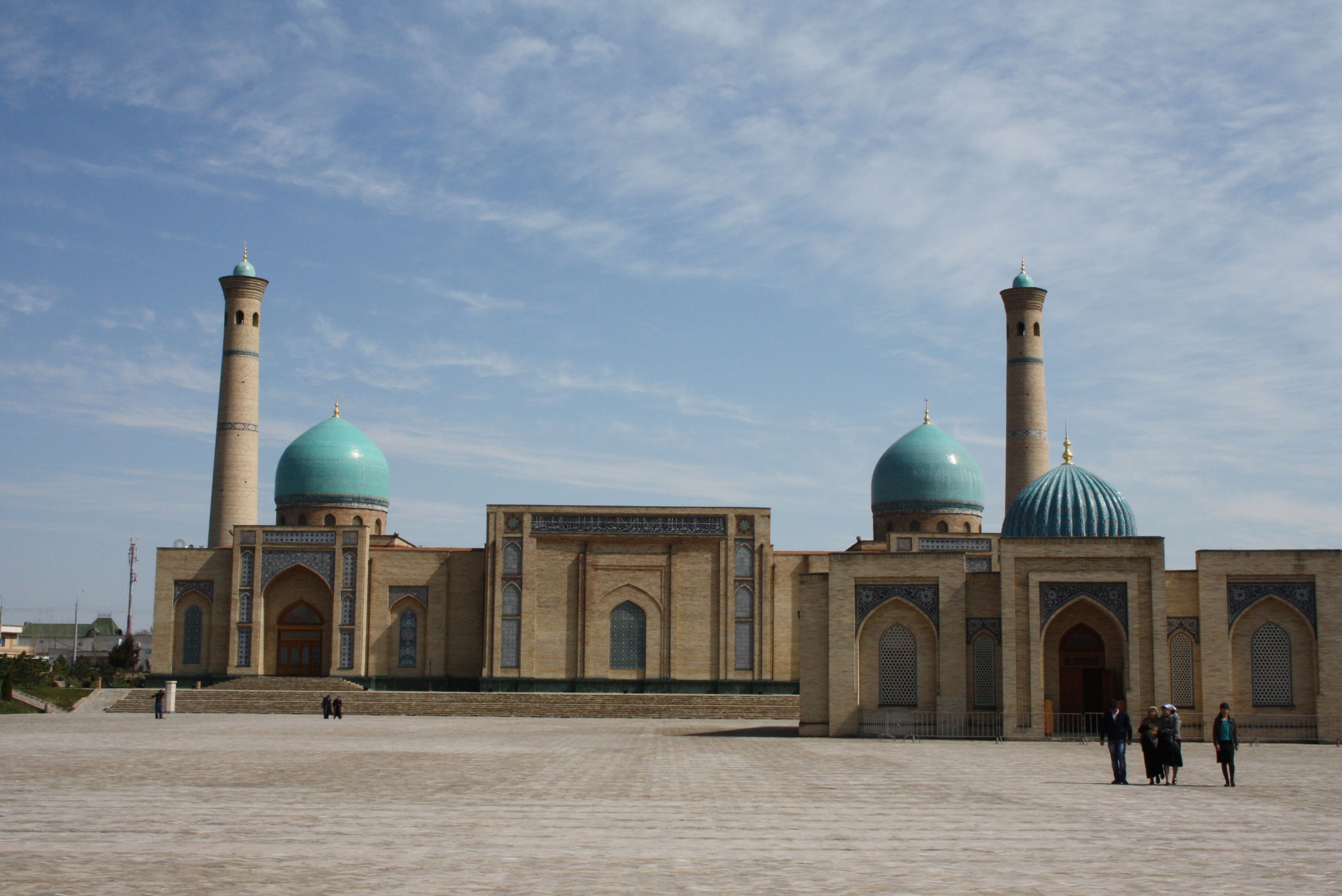
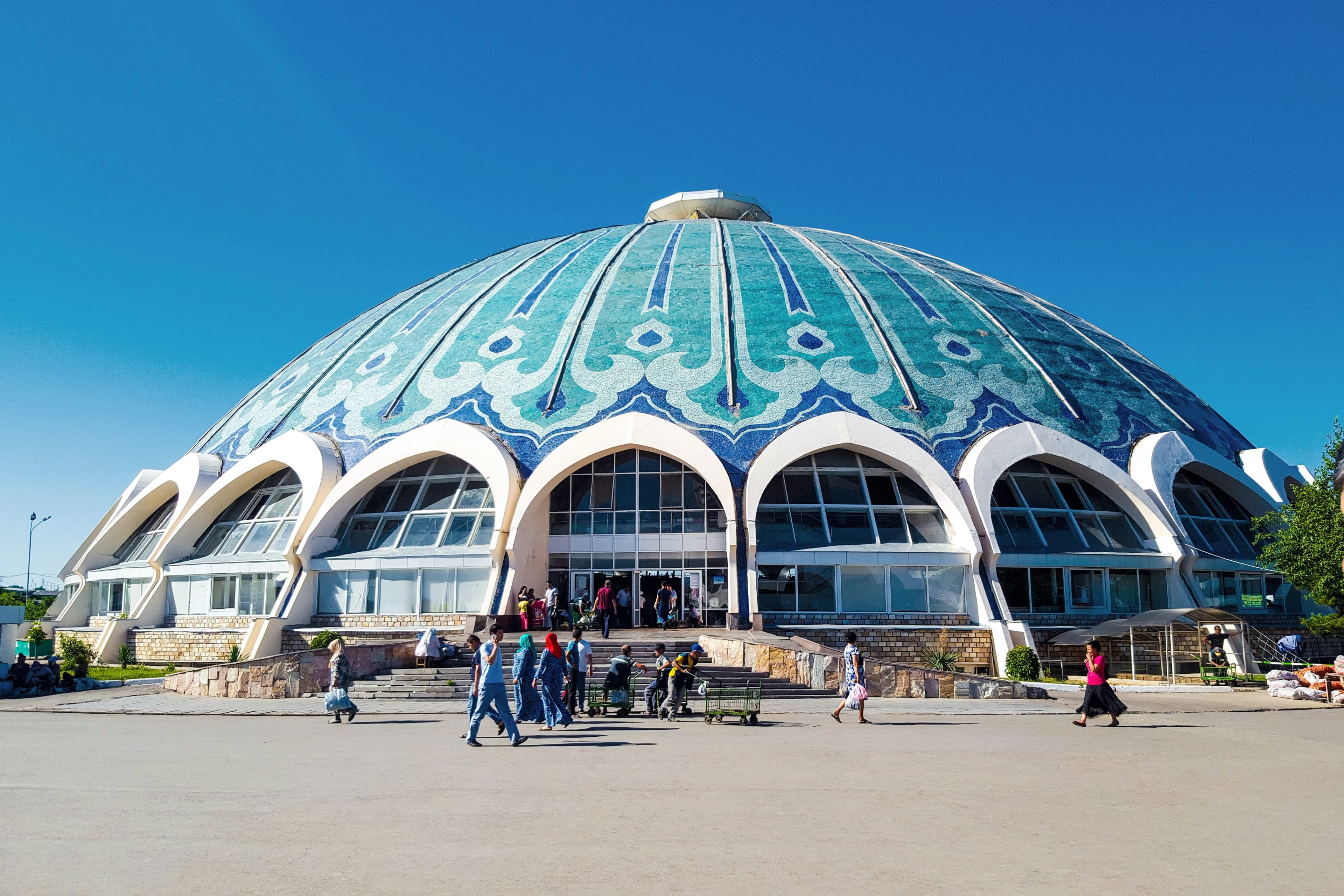
Following breakfast, a city tour introduces you to Tashkent, the vibrant capital of Uzbekistan, where ancient traditions blend harmoniously with contemporary architecture. You will visit the Hazrati Imam Complex, featuring the Barak Khan Madrasah, the Kaffal Shashi Mausoleum, and the Khazrati Imam Mosque. Of particular note is the library of oriental manuscripts, home to a unique Quran dating back to the reign of Caliph Uthman ibn Affan (the third rightly guided caliph of Islam, who ruled from 644 to 656), consisting of 353 parchment leaves. This sacred text was once kept in Medina, Damascus, and Baghdad before Timur brought it to Samarqand. Afterwards, visit the Kukaldash Madrasah, the colorful Chorsu Bazaar, and Independence Square. In the evening, enjoy dinner at a local restaurant. Overnight at the 4-star hotel. Meals: B/–/D
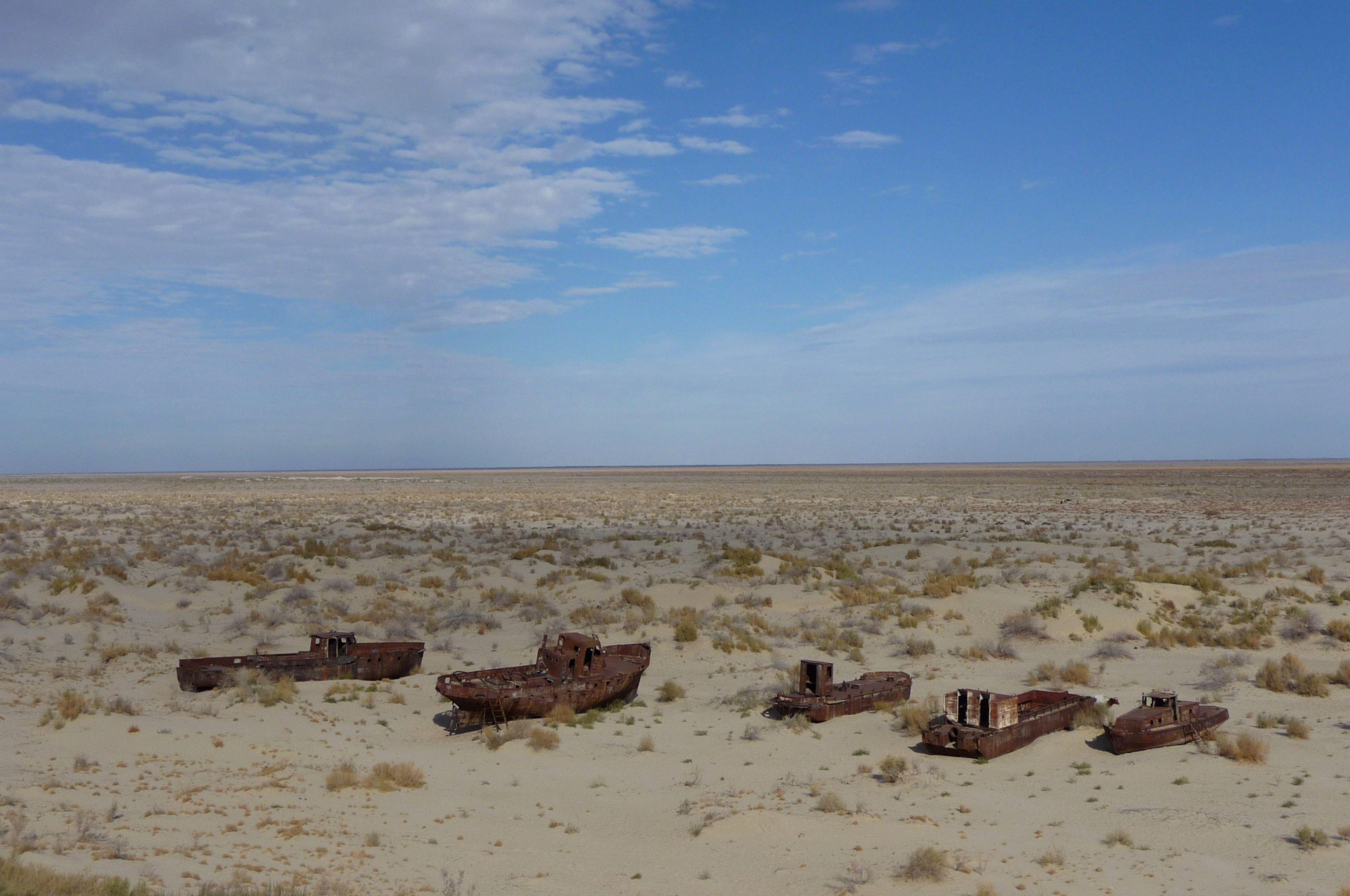
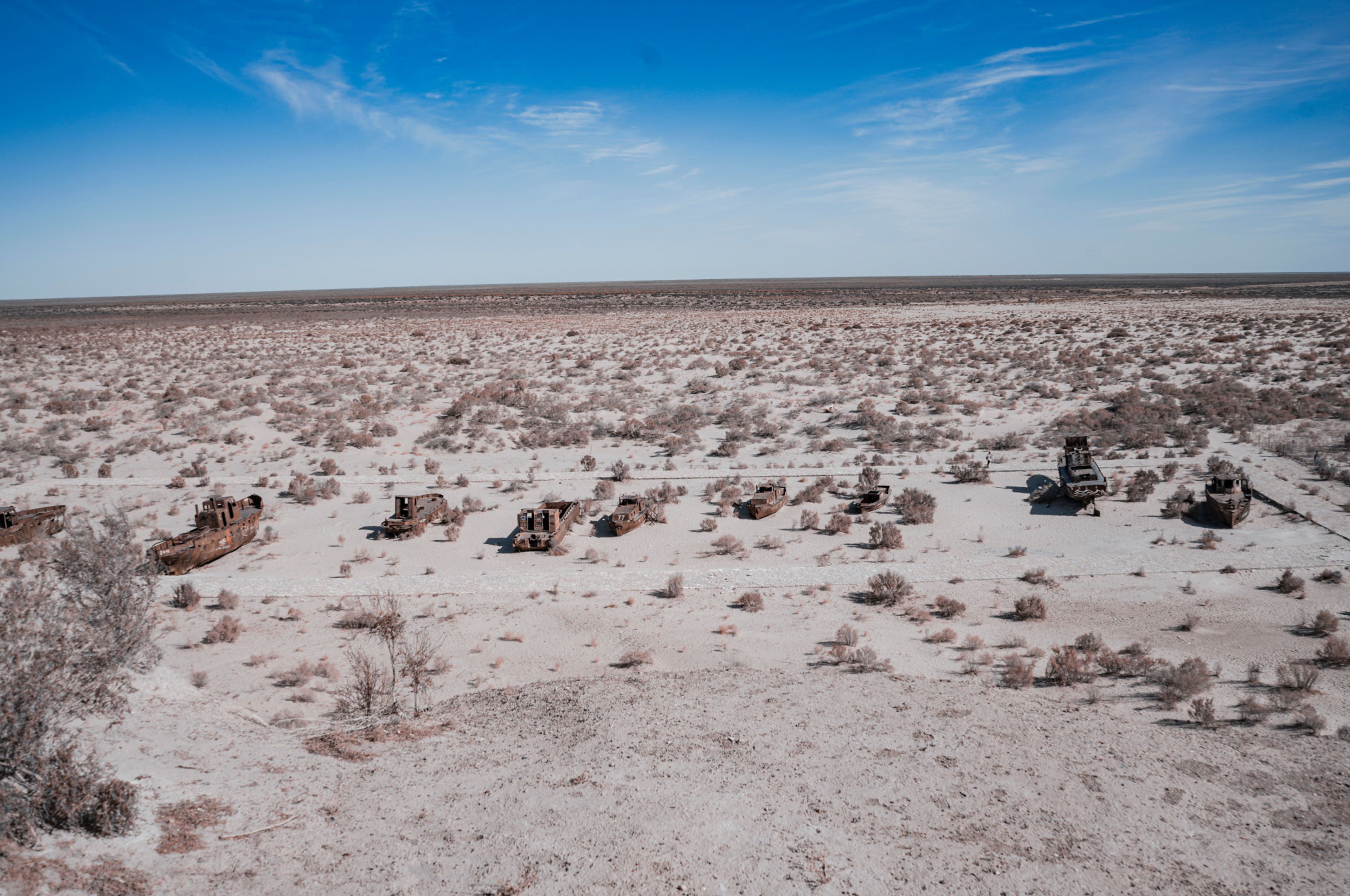
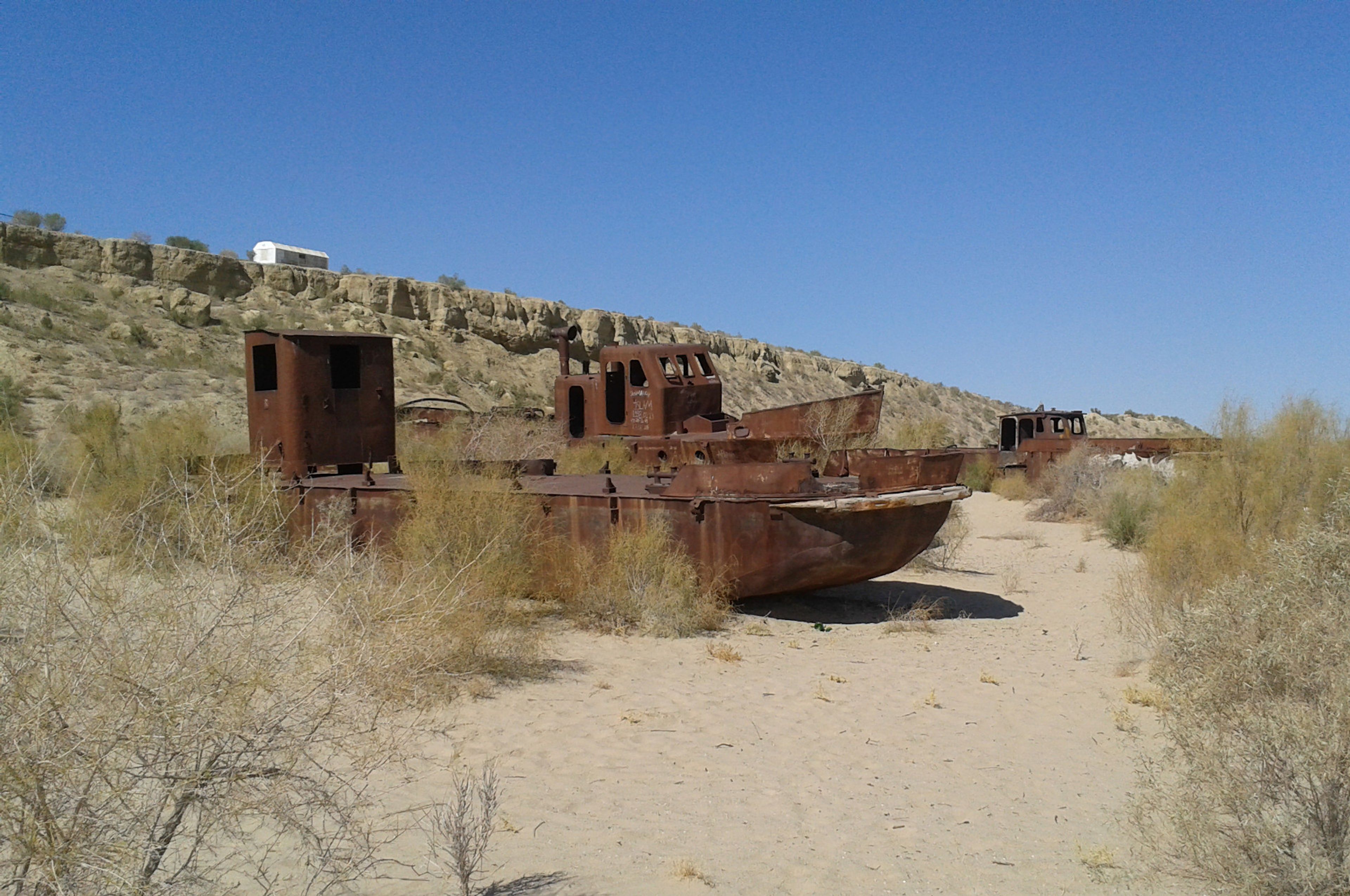
- 3Early morning transfer to the airport and flight Tashkent – Nukus. On arrival, our local partner in Karakalpakstan welcomes us and we drive to Moynaq, once a thriving fishing port on the shore of the Aral Sea. Today the town lies well over 100 km from the water. Lunch in Moynaq. We visit the famous ship graveyard, where rusting fishing boats lie in the middle of the desert sand. We then cross the Ustyurt Plateau, with photo stops at its striking canyons and at a historic nomad tomb, to the present-day shore of the Aral Sea. Arrival at the Aral Plaza camp, with rooms and yurts near the sea. Depending on the season, flamingos can be spotted. Dinner at the camp. Overnight: Aral Plaza camp (room or yurt) | Meals: B/L/DTransferFlugBusNaturWanderungFreizeit
- 4Breakfast at the camp and time for a morning walk along the shore of the Aral Sea. We then begin the return journey. On the way we visit the Kurgancha fortress (Kubland Kala), associated with the legendary hero Koblan, and Lake Sudochye. Once around 350 km² in size, it has been partly restored and is an important resting place for migratory birds. Lunch in the village of Kungrad. In the afternoon we explore the Mizdakhan necropolis, one of the most important pilgrimage sites in Karakalpakstan, and the neighbouring Gyaur Kala fortress. Arrival in Nukus in the evening. Dinner at a local restaurant. Overnight: Hotel in Nukus | Meals: B/L/DTransferBusNaturWanderungFreizeitVerkostung
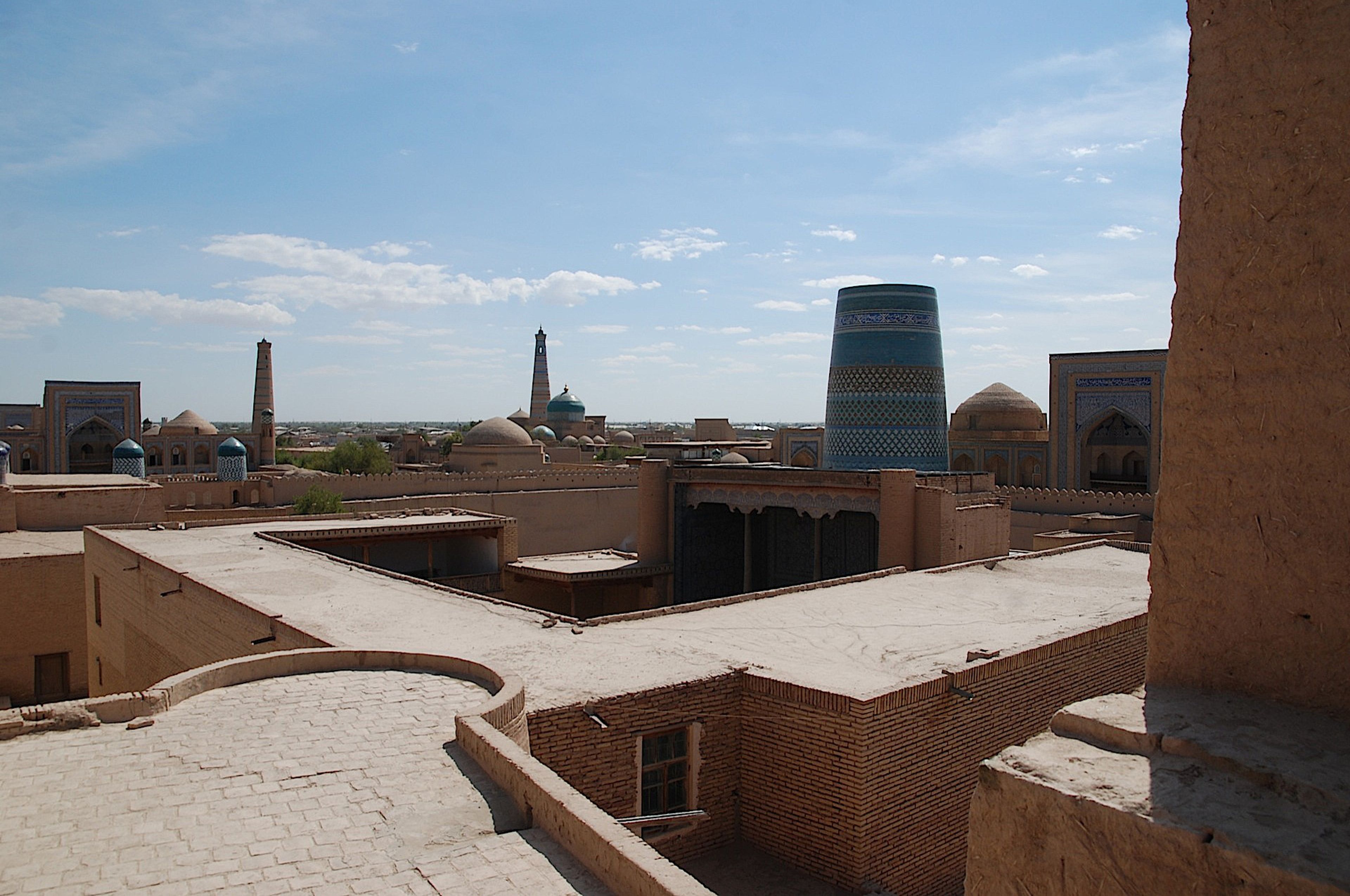
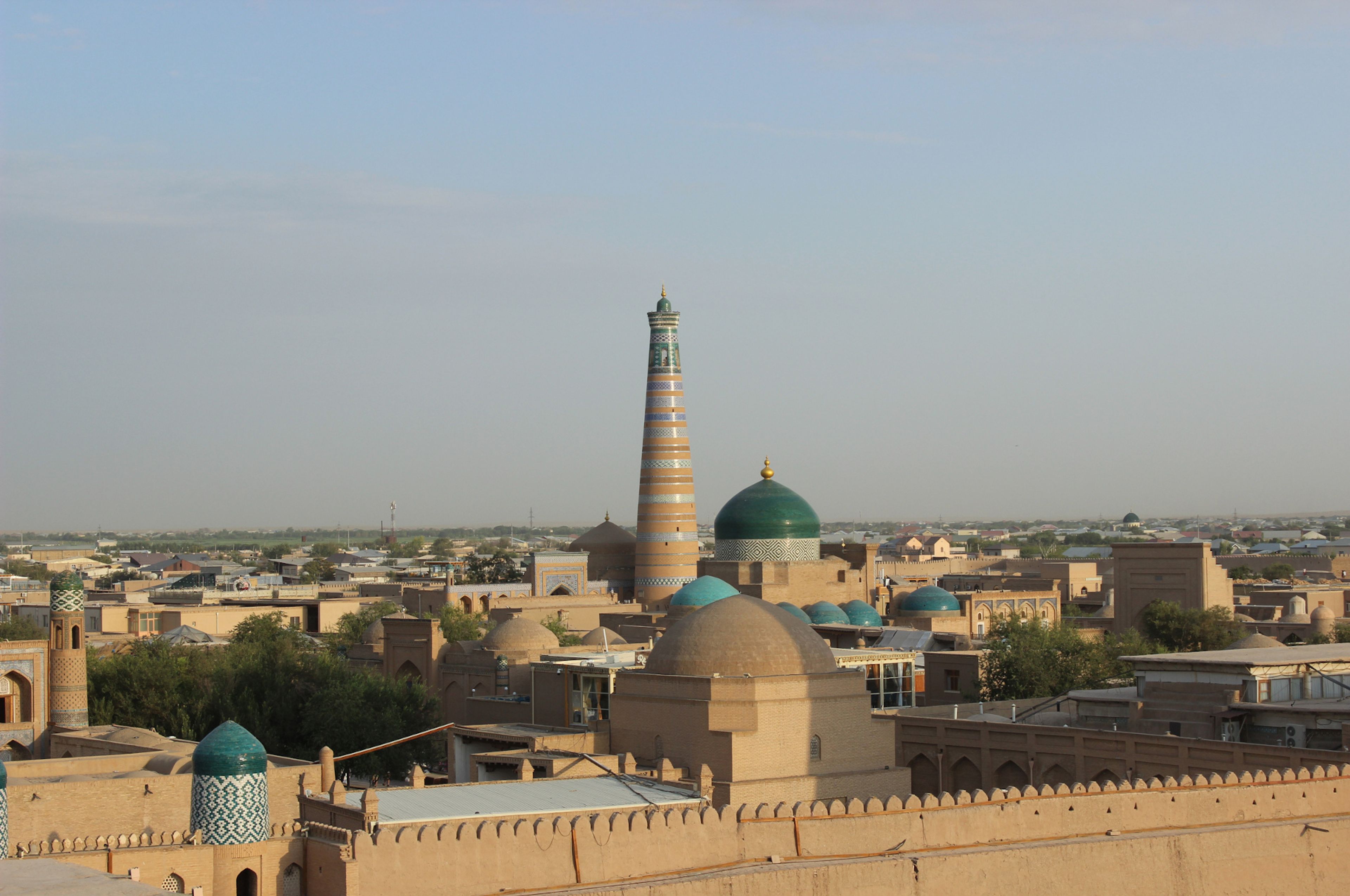
- 5After breakfast we visit the Savitsky State Art Museum, also known as the "Louvre of the Desert". During the Soviet era, the collector Igor Savitsky rescued tens of thousands of works by banned avant-garde artists here and preserved treasures of Karakalpak folk art. Around midday we drive to Khiva (approx. 200 km, about 3–4 hours), with a photo stop at the Zoroastrian tower of silence of Chilpik. Arrival in Khiva in the afternoon and a first evening stroll through the old town of Itchan Kala. Dinner at a local restaurant. Overnight: 3* hotel in Khiva | Meals: B/-/DTransferBusFestungNaturWanderungFreizeit
- 6
Following breakfast, we continue our exploration of the Ichan Kala old town, which has been under UNESCO protection since 1990 as a designated World Heritage site. Dinner at a local restaurant. Overnight at the 3-star hotel. Meals: B/–/D
- 7
After breakfast, drive from Khiva to Bukhara (480 km). Traveling across the Kyzylkum Desert (Red Sand), you will experience the singular vastness of Central Asia’s desert landscapes. Covering approximately 200,000 km², the Kyzylkum Desert spans the territories of Turkmenistan, Uzbekistan, and Kazakhstan, and is named for the distinctive red sands found throughout the region. En route to Bukhara, we make a stop at the “Bukhoro-i-Sharif” teahouse. Dinner at a traditional restaurant. Overnight at the 3-star hotel. Meals: B/–/D
- 8
Following breakfast, we explore the city that gave birth to many world-renowned scholars, including Avicenna (Ibn Sina), Al-Bukhari, and numerous others. Bukhara, with a population of 235,517 (as of January 1, 2008), has been designated a UNESCO World Heritage site since 1993. We visit the legendary Po-i-Kalyan Minaret and the Po-i-Kalyan Complex (12th century), along with three remarkable domed bazaars: Toqi Sarrofon (Money Changers' Bazaar, 16th century), Toqi Telpak Furushon (Cap Makers' Bazaar, 16th century), and Toqi Zargaron (Jewelers' Bazaar, 16th century). Afterwards, we tour the Labi-Hauz Complex (16th–17th century) and the Nadir Divan-begi Madrasah (1630). Dinner at a traditional restaurant. Overnight at the 3-star hotel. Meals: B/–/D
- 9
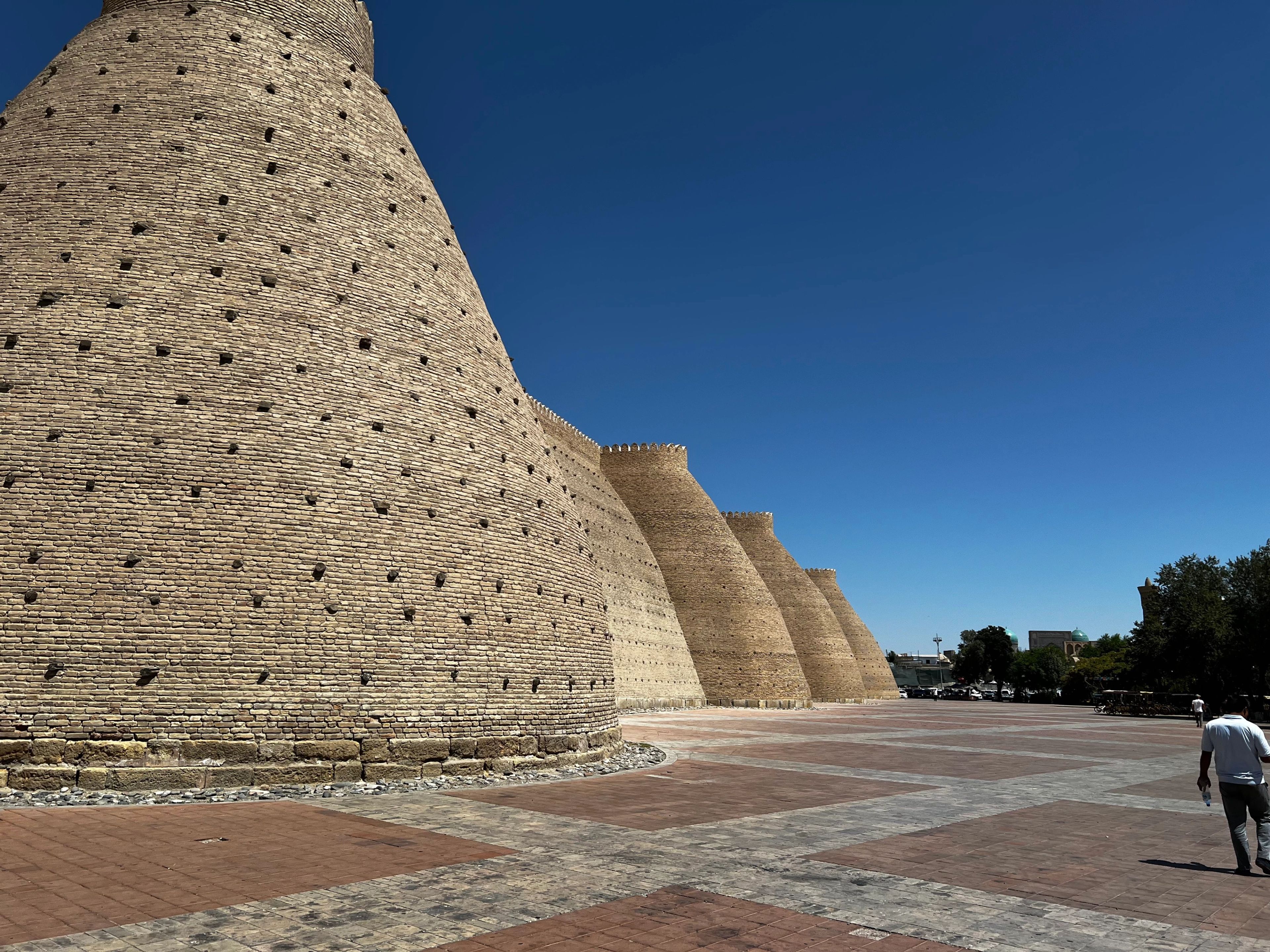
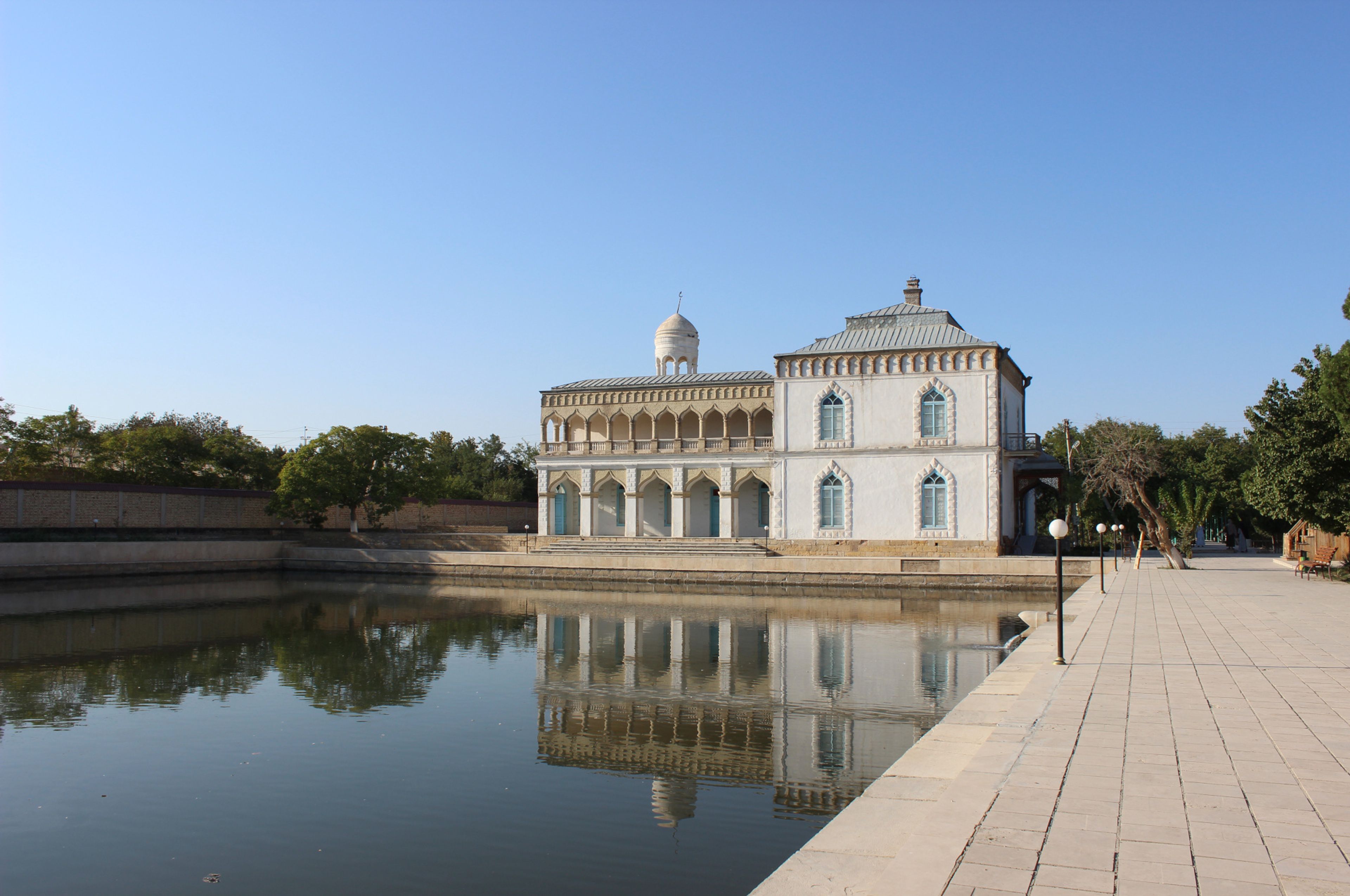
After breakfast, we visit the Ark of Bukhara (the former residence of the Emirs of Bukhara), which recent excavations confirm has occupied this site since the 4th century BC, as well as the Bolo Hauz Mosque (Friday mosque, erected in 1712). With the Samanid Mausoleum (9th century), you will experience the oldest surviving monument of Islamic architecture in Central Asia and the sole architectural legacy of the Samanid dynasty. We also visit the mausoleum of the founder of the Naqshbandi order, Baha-ud-Din Naqshband (14th century), one of the most significant pilgrimage sites for Muslims. Dinner at a traditional restaurant. Overnight at the 3-star hotel. Meals: B/–/D
- 10
Following breakfast, we drive to Shahrisabz, the birthplace of Amir Timur (known in the West as Tamerlane). The city was already known to Alexander the Great as Nautaca. Under Amir Timur in the 14th century, when it was still called Kesh, the city achieved worldwide renown and was given the name Shahrisabz. Here we visit the ruler's summer palace, Ak-Saray (White Palace, 1380–1405). The 65-meter-high palace ruins convey a sense of the immense scale and height of the original structure. Ak-Saray is inscribed on the UNESCO World Heritage list. We also visit the Kok Gumbaz Mosque, the Darus Saodat Complex, and the Jahongir Mausoleum. In the afternoon, we drive to Samarkand, followed by dinner at a local restaurant. Overnight at the 3-star hotel. Meals: B/–/D
- 11
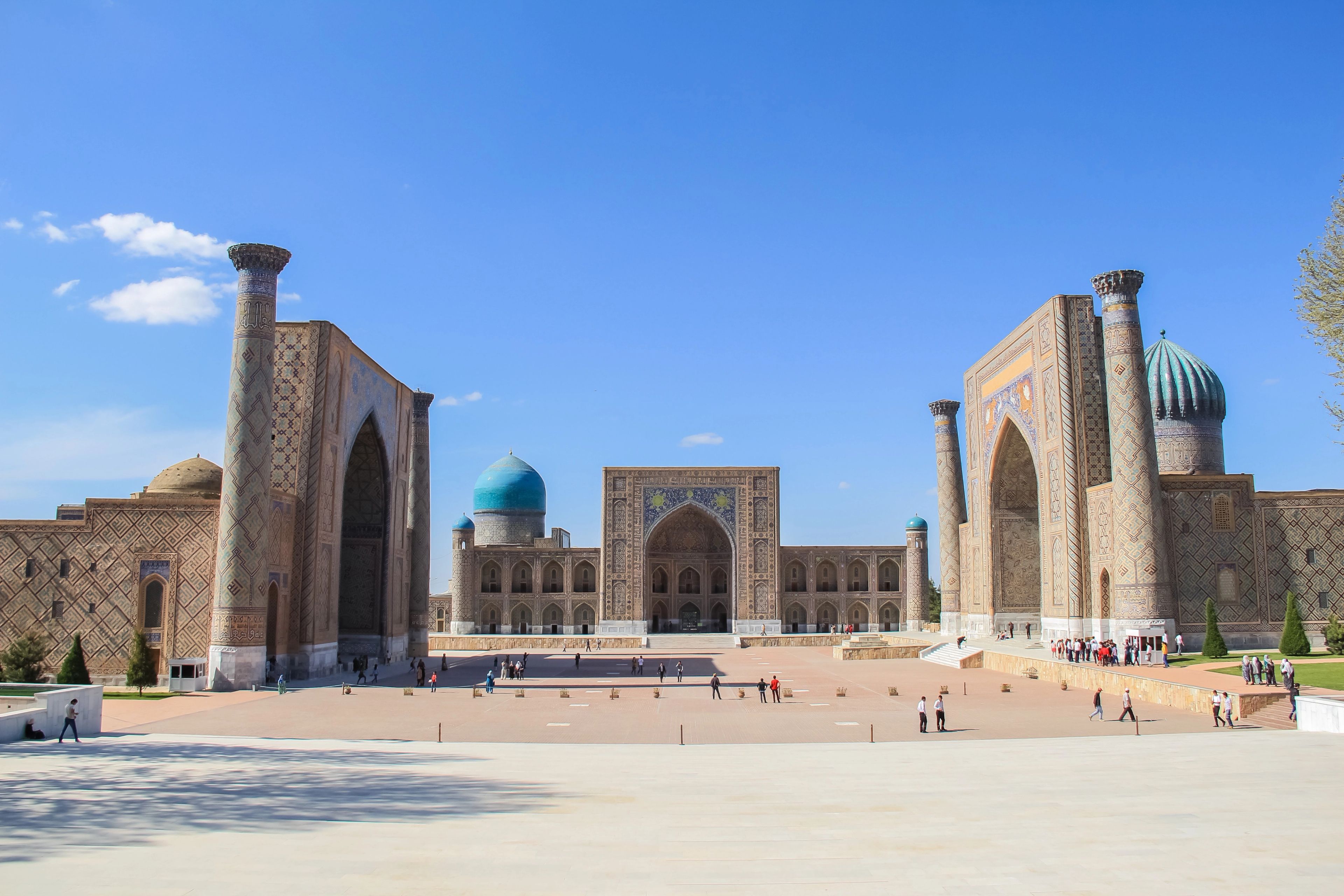
After breakfast, a tour of Samarkand. With a population of 353,347 (as of January 1, 2008), Samarkand is also inscribed as a UNESCO World Heritage site. The city's history spans over 2,500 years. You will be captivated by the ancient walls of Afrasiyab, the capital of the ancient realm of Sogdiana (9th century BC), whose archaeological remains still stand in the northern part of Samarkand. It is not without reason that Samarkand is called a jewel of the earth. Your fairytale journey of “One Thousand and One Nights” begins at the renowned Registan Square, construction of which began during the Timurid era and continued over the following three centuries. The three madrasahs of the Registan—the Ulugbek Madrasah (built 1417–1420), the Sher-Dor Madrasah (1619–1636), and the Tilya-Kori Madrasah (1646–1660)—leave every visitor in awe. The legendary Timurid mausoleum Gur-e-Amir (14th–15th century) enchants observers with its intricate interior gold ornamentation. Dinner at a traditional restaurant. Overnight at the 3-star hotel. Meals: B/–/D
- 12
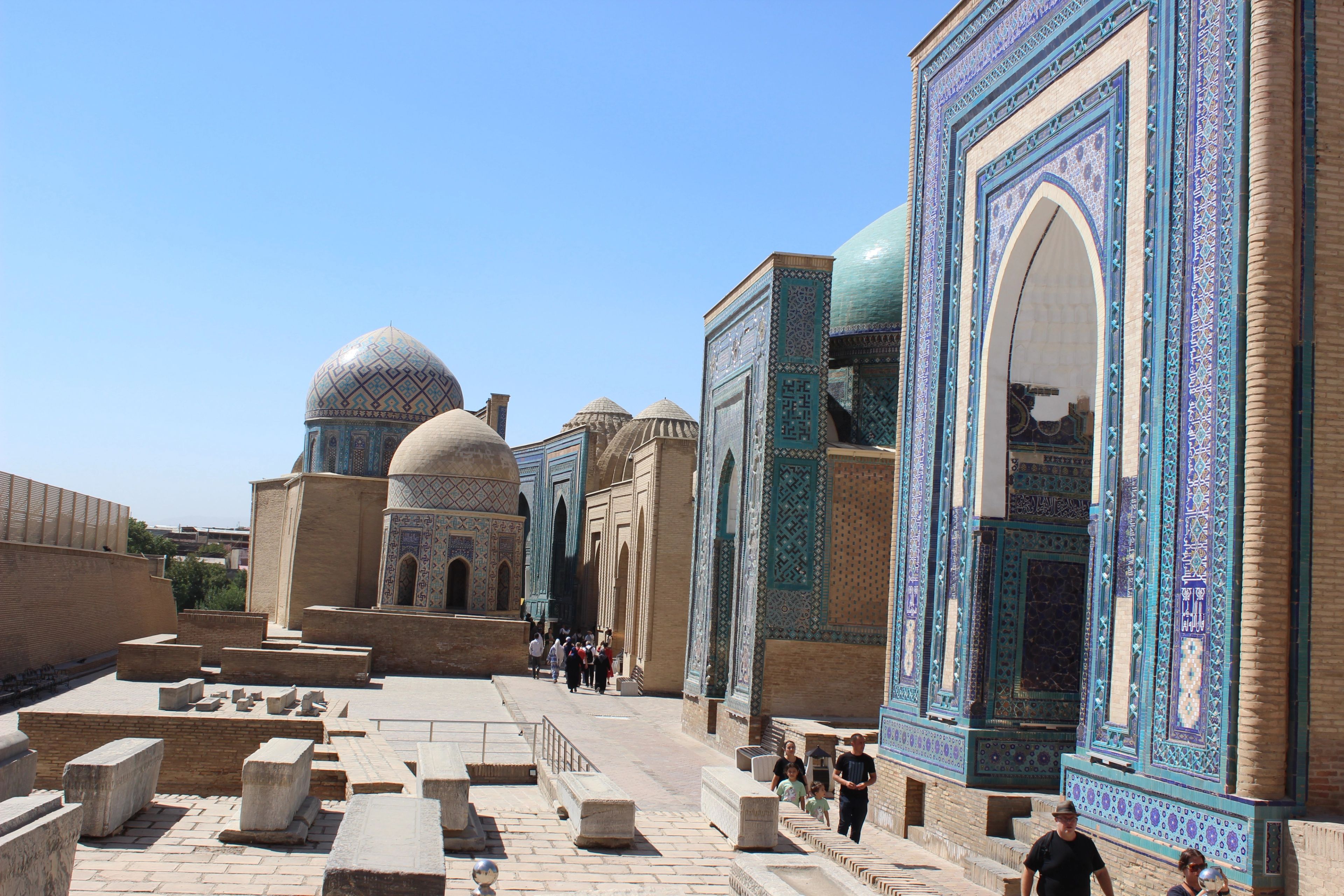
Following breakfast, we visit the Bibi-Khanym Mosque and Madrasah (14th century) and listen to the legends entwined with its construction. Next, we visit the traditional oriental Siyab Bazaar. Near the bazaar stands the Shah-i-Zinda ensemble (“The Living King”, 9th–14th century), one of the world's most renowned collections of mausoleums, whose exquisite tilework captivates every visitor. Afterwards, we tour the famed Ulugh Beg Observatory (built 1428–1429 on one of the hills of the Chupanata ridge), which was a singular engineering achievement of its time. We then visit the Afrasiyab Museum. In the afternoon, transfer to the Samarkand railway station for the high-speed Afrosiyob train to Tashkent (departure at 17:00, arrival in Tashkent at 19:20). Farewell dinner at a local restaurant. Overnight at the 4-star hotel. Meals: B/–/D
- 13
✓ Inclusions
- ✓ 3 nights in 4-star hotels in a double room with shower/WC
- ✓ 9 nights in 2- to 3-star hotels in a double room with shower/WC
- ✓ 11x breakfast, 1x lunch, 11x dinner
- ✓ Mineral water (1.5 liters per person per day)
- ✓ All transfers according to the itinerary (primarily in air-conditioned vehicles)
- ✓ Flight ticket: Tashkent → Nukus
- ✓ Train ride: Samarkand → Tashkent
- ✓ All admission fees for sights according to the itinerary
- ✓ German-speaking tour guide throughout the duration of the trip
- ✗ Personal expenses and special services at the hotel
- ✗ International flights
- ✗ Travel insurance of any kind
- ✗ Meals and beverages not mentioned in the itinerary
Interactive Map
? FAQ
What visa and entry regulations apply to Uzbekistan?▼
Which vaccinations are recommended for the Aral Sea region?▼
How can I pay and withdraw money while traveling in Uzbekistan?▼
What is the mobile internet connection and reception like while traveling?▼
What clothing is ideal for the trip to the Aral Sea and the cities?▼
What are the special features of Uzbek cuisine?▼
How safe is traveling in Uzbekistan?▼
Which power plugs and voltages are used?▼
What tips are customary in Uzbekistan?▼
What language is spoken and can you get by with German?▼
🧳 Travel Essentials
Everything for your perfect Central Asia trip
* Affiliate links – we earn a small commission at no extra cost to you.